
Why Now Is the Time to Order Carbide Dies: Navigating Price Increases and Material Shortages
The carbide tooling market is experiencing a significant shift, and manufacturers that rely on carbide dies are already feeling the effects. Rising material costs, tightening supply chains, and increasing global demand have combined to create one of the most challenging procurement environments in recent years. If your business depends on consistent tooling performance and availability, now is the time to secure carbide dies before conditions become even more constrained. In recent months, carbide material prices have surged at an unprecedented rate. This is not a short-term fluctuation, but rather part of a broader, structural trend within the global supply chain. Tungsten—the primary raw material used in carbide production—is sourced from a limited number of regions worldwide. As a result, any disruption—whether due to export restrictions, production limitations, or geopolitical pressures—can have an immediate and amplified impact on both pricing and availability. A key factor driving current shortages is reduced global supply. Mining output has tightened due to stricter environmental regulations and declining ore quality in major producing regions. In addition, an increase in restrictive export policies have limited the volume of raw materials entering the global market. This has created a bottleneck at the very start of the supply chain, with effects that continue to ripple through manufacturers, distributors, and ultimately, end users. Industries such as aerospace, defense, automotive, and precision manufacturing continue to rely heavily on high-performance carbide tooling—and in many cases, production is increasing. This has intensified competition for already limited resources, creating a classic supply-demand imbalance: sustained demand chasing constrained supply. As a result, price increases are expected to continue, with little indication of near-term stabilization. Many suppliers are responding to ongoing volatility by adjusting pricing more frequently, shortening quote validity windows, and implementing material surcharges. Lead times are also extending, making it increasingly difficult for companies to respond quickly when tooling needs arise. In this environment, delaying orders introduces significant risk. Waiting can lead to production downtime, missed deadlines, and higher operational costs. By securing carbide dies now, it allows you to lock in current pricing, ensure material availability, and maintain continuity across their manufacturing operations. It’s also important to recognize that as shortages intensify, suppliers often prioritize long-term partners and higher-volume orders. Companies that act early are far more likely to secure the tooling they need, while those that delay may face limited availability and extended lead times. We’re actively monitoring these market dynamics and working closely with our customers to navigate this evolving landscape. Our focus remains on maintaining a reliable supply, delivering consistent quality, and helping our partners plan ahead with confidence. The reality is that carbide pricing and availability will remain under pressure for the foreseeable future. Taking proactive steps now can help safeguard your operations, reduce uncertainty, and strengthen your competitive position in a rapidly changing market. Don’t wait for conditions to stabilize—because stability may still be months away. Secure your carbide dies today and stay ahead of the curve.
How Our Carbide Dies Improved Production
In high-volume manufacturing environments, even minor inefficiencies compound quickly. Tool wear accelerates. Downtime increases. Quality becomes inconsistent. Output slows. For manufacturers relying on precision tooling, the wrong die material can quietly erode productivity and profitability. We’ve worked with companies facing these exact challenges — and helped them transform their production using high-performance carbide dies engineered for durability, precision, and long-term efficiency. Here’s how. The Problem: Tool Wear, Downtime & Inconsistent Output Manufacturers in industries like wire drawing, fastener production, tube forming, and extrusion often begin with traditional steel tooling. While steel dies may carry a lower upfront cost, they frequently create larger operational problems: When tooling wears quickly, production schedules suffer. Operators must stop machines for adjustments or replacements. Maintenance teams are pulled away from other priorities. Scrap material accumulates. Over time, these inefficiencies can cost far more than the tooling itself. For many of our customers, the breaking point came when downtime and replacement frequency began affecting customer deadlines and margins. They needed a more durable, precision-engineered solution. The Solution: Precision-Engineered Carbide Dies The answer was a transition to high-performance carbide dies! Tungsten carbide dies are significantly harder and more wear-resistant than tool steel. This makes it ideal for high-pressure, high-volume production environments where dimensional consistency and longevity are critical. But not all carbide dies are created equal. We focus on: 1. Material Integrity We use premium-grade carbide with carefully controlled grain structure to ensure: This balance allows our carbide dies to withstand extreme pressure without cracking or deforming. 2. Precision Engineering Our dies are manufactured to exact tolerances using advanced grinding and finishing techniques. This ensures: When precision is built into the die, it carries through the entire production run. 3. Application-Specific Design We don’t believe in one-size-fits-all tooling. We work closely with customers to understand: From there, we engineer carbide dies optimized for the specific production environment — not just the application category. 4. Longevity That Reduces Interruptions Because carbide dies resist wear far longer than traditional tooling, changeovers decrease dramatically. Fewer interruptions mean: The Results: Measurable Production Gains When manufacturers transition to our carbide dies, the improvements aren’t theoretical — they’re measurable. Increased Tool Life Customers routinely report dramatically extended die life compared to steel alternatives. Longer tool life means: Reduced Downtime With fewer die failures and changeovers, production lines remain operational longer. This leads to: Improved Product Consistency High-precision carbide dies maintain dimensional integrity over extended runs. That translates into: Why Manufacturers Choose Us Production improvement isn’t just about material hardness — it’s about engineering expertise. Our carbide dies provide: We understand that in modern manufacturing, efficiency margins are slim. Tooling must perform consistently under pressure — literally. Our carbide dies are engineered not just to work, but to elevate production performance. In high-volume environments, small improvements compound quickly. The right carbide dies don’t just replace existing tooling — they enhance the entire production process. If your current tooling is limiting performance, it may be time to reconsider what your dies are made of. We’re ready to help you move from recurring production problems to measurable production results. Contact us today to get started!
How to Maintain and Extend the Life of Carbide Dies
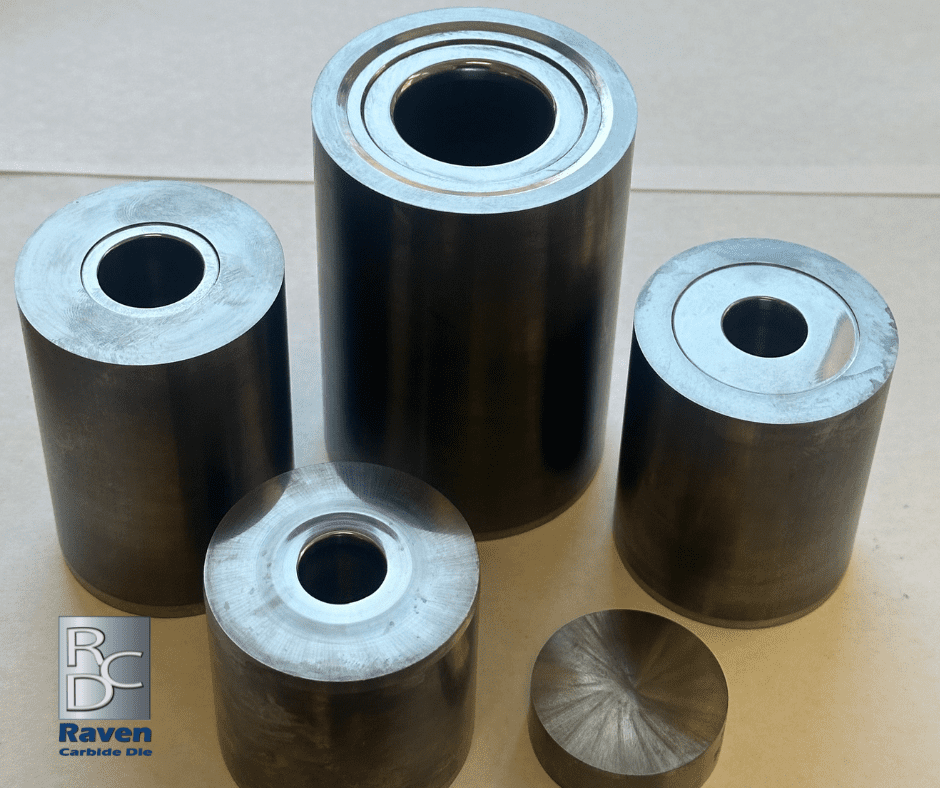
We design and manufacture precision carbide dies built to perform under extreme conditions. Even the highest‑quality tooling, however, benefits from proactive care. Below, we outline proven best practices to help you maintain your carbide dies and extend their service life, maximizing uptime, consistency, and return on investment. Why Proper Carbide Die Maintenance Matters Carbide dies operate under intense pressure, friction, and repeated impact. Over time, minor issues such as improper lubrication or misalignment can accelerate wear, cause chipping, or lead to catastrophic failure. A structured maintenance program helps: 1. Start With Proper Installation and Setup Ensure Correct Alignment Misalignment between the die, punch, and press is one of the most common causes of premature carbide die failure. Even slight off‑center loading can create stress that lead to cracking or edge chipping. Best practices include: We work closely with customers to ensure each die is designed for proper fit and alignment within their specific press and application. Follow Recommended Tonnage Limits Exceeding the designed tonnage of carbide dies increases the risk of fracture. Always operate within the load parameters specified for the die and the material being formed. 2. Choose the Correct Lubricant Different forming applications require different lubrication strategies. The wrong lubricant or insufficient coverage can cause galling, surface scoring, and accelerated wear. If you’re unsure which lubricant is best for your application, we can help evaluate your process and recommend compatible options. Maintain Clean Lubrication Systems Contaminated lubricants introduce abrasive particles that can damage die surfaces. Regularly inspect filters, lines, and reservoirs to ensure clean, consistent lubricant delivery. 3. Keep Carbide Dies Clean and Free of Debris Metal fines, slugs, and residual material can accumulate during production and act like abrasives against carbide surfaces. Routine cleaning should include: 4. Monitor Wear Patterns and Performance Trends One of the most effective ways to extend the life of carbide dies is early detection of wear. Scheduled inspections allow you to identify issues before they become failures. Look for: Tracking inspection results over time helps establish predictable maintenance intervals. 5. Avoid Thermal Shock and Improper Handling Although carbide is extremely hard, it can be sensitive to sudden temperature changes and improper handling. Minimize Temperature Extremes Rapid heating or cooling can introduce thermal stress. Avoid: Allow dies to cool gradually whenever possible. Handle With Care Carbide dies are tough in operation but brittle when impacted. Dropping a die or striking it against hard surfaces can cause invisible micro‑fractures that later lead to failure. Always: 6. Schedule Reconditioning Before Failure Occurs Reconditioning is more cost‑effective than replacement when done at the right time. Waiting until a carbide die fails completely may eliminate the option for repair. We offer expert evaluation to determine whether reconditioning can restore performance and extend tool life. Partner With a Trusted Carbide Die Manufacturer Not all carbide dies are created equal. Design, material selection, and manufacturing precision all influence how long a die will last—and how well it responds to maintenance and repair. A strong partnership with your tooling supplier ensures you get more value from every die in service. Protecting Your Investment in Carbide Dies Maintaining and extending the life of carbide dies requires a combination of proper setup, consistent lubrication, careful handling, and proactive inspection. By investing time in preventive maintenance and working with an experienced manufacturer, you can significantly reduce downtime, control costs, and improve overall production efficiency. If you have questions about maintaining your existing tooling—or are looking to upgrade your carbide dies for improved performance—we can help you with precision solutions built to last. Contact us today to get started!
The Difference Between Cold Forming and Hot Forging: How Carbide Dies Support Both Processes
Two of the most widely used metalworking methods, cold forming and hot forging, may appear similar, but they differ significantly in temperature, material flow, tooling needs, and final product characteristics. Understanding these differences helps manufacturers select the right process and the right tooling, including specialized carbide dies, to ensure optimal performance and product quality. Below is a breakdown of how cold forming and hot forging differ, and why precision-engineered tools such as cold form dies play a crucial role. What Is Cold Forming? Cold forming, also called cold heading, is a manufacturing process where metal is shaped at or near room temperature using high-pressure force. Instead of removing material, metal is displaced and compressed into the desired shape. Key Features of Cold Forming Role of Carbide Dies in Cold Forming Cold forming requires tooling that can withstand extreme pressure and repeated impact. Carbide dies—specifically cold form dies—are preferred because carbide offers: We manufacture precision cold form dies that maintain durability and dimensional accuracy even in demanding, high-speed production environments. What Is Hot Forging? Hot forging shapes metal at extremely high temperatures, often between 1,500°F and 2,200°F depending on the material. Heating the metal softens it, making deformation easier and more uniform. Key Features of Hot Forging Carbide Dies in Hot Forging Although dies used in hot forging are exposed to high temperatures, carbide inserts are often used in key wear areas to maximize tool life and maintain precision. Carbide’s resistance to deformation and abrasion makes it a valuable material for: We produce customized carbide components engineered to remain stable and durable under thermal and mechanical strain. Cold Forming vs. Hot Forging: What’s the Difference? While both processes shape metal through force, their differences are significant: 1. Temperature 2. Material Behavior 3. Tooling Requirements 4. Precision and Finish 5. Best Use Cases Why Carbide Dies Matter in Both Processes Carbide’s unmatched hardness and resistance to wear make it a critical material in both forming and forging operations. In cold forming, cold form dies ensure each strike and deformation maintains perfect accuracy, even after millions of cycles. In hot forging, carbide inserts reinforce the most vulnerable sections of the die to extend lifespan and reduce downtime. With proper engineering and customization, carbide dies deliver: Raven Carbide Die specializes in these precision-engineered solutions, providing manufacturers with tooling designed to support the unique demands of both cold forming and hot forging processes. Partner with Raven Carbide Die for Precision Cold Form Dies and Forging Tooling Whether your operation relies on cold forming, hot forging, or a combination of both, durable and precise tooling is the backbone of efficient production. We design and manufacture premium cold form dies, carbide inserts, and custom tooling engineered to withstand the demanding conditions of metal forming. With decades of experience and a commitment to quality, we help manufacturers improve uptime, reduce tooling costs, and enhance part quality, no matter the production environment. If you need cold form dies, forging die inserts, or custom carbide tooling built to last, our company is ready to help. Contact us today to get started!
💪 The Unseen Warrior: The Critical Role of Tungsten Carbide in Oil and Gas Drilling

The oil and gas industry operates in some of the most demanding environments on Earth. Drilling operations require tools that can withstand extreme heat, immense pressure, high-speed rotational forces, and constant abrasion from abrasive slurries. This is where tungsten carbide steps in as an indispensable material—a composite renowned for its exceptional hardness and wear resistance. The material’s primary function is to protect critical components, ensuring operational efficiency and extending the life of expensive drilling assemblies. The Power of Tungsten Carbide (WC) Tungsten carbide (WC) is a ceramic-metal composite (often referred to as a “cemented carbide”) that’s nearly as hard as diamond. It’s manufactured by sintering fine tungsten carbide particles with a softer metal binder, usually cobalt or nickel. The resulting material possesses a unique combination of properties essential for drilling: ⚙️Wear Resistant Sleeves Wear resistant sleeves are components made from tungsten carbide that are designed to protect high-value drill string components from erosion and friction. A common example is the tungsten carbide sleeve used to protect the bearing assemblies and seal sections of downhole motors and measurement tools. Function and Application In a typical drilling operation, components are subjected to aggressive drilling mud—a circulating fluid containing abrasive solids that acts like liquid sandpaper. 🛡️ Carbide Bushings Carbide bushings (also known as plain bearings) are another critical application of tungsten carbide. They are precision-machined components used to guide, support, and reduce friction between moving parts, primarily within downhole pumps and mud motors. Function and Application Ready to Optimize Your Drilling Efficiency? The longevity and performance of your downhole assemblies rely on the quality and precision of materials like tungsten carbide. If your operation demands the highest quality tungsten carbide sleeves, carbide bushings, or other specialized wear resistant sleeves designed for the harshest environments, partner with a leader in the field. Raven Carbide Die specializes in manufacturing precision-engineered tungsten carbide components that meet the rigorous specifications of the oil and gas industry. Contact Raven Carbide Die today to discuss custom solutions that can drastically reduce abrasive wear and non-productive time (NPT) for your most demanding drilling projects.
What’s Next in Carbide Tooling for 2026

Pressure for higher throughput, tighter tolerances, and lower costs is colliding with advances in materials science, digital manufacturing and smart sensors — and the result is a wave of practical innovations you can use today to boost productivity and tool life. These are some key trends shaping carbide tooling in 2026 and what manufacturers should be ready to adopt: 1. Additive manufacturing moves from experiment to production-ready tooling: According to MDPI, new binder-jet and laser-based processes allow complex tungsten-carbide geometries and internal features that are impossible with conventional pressing and grinding — opening the door to custom inserts, rapid prototyping, and spare-part flexibility. Early industrial tests and peer-reviewed studies show additive manufacturing routes can produce parts for tooling applications after proper densification and post-processing. 2. Next-generation carbide materials — nanograin and binderless options According to Science Direct, nanostructured carbides and advances in binderless tungsten carbide production are delivering higher hardness, improved thermal stability and reduced grain pull-out at the cutting edge. Recent research and experiments with binderless/nanograin tungsten carbide show promising gains in toughness and high-temperature performance, which translates directly to longer die life for demanding cold-forming and high-speed operations. 3. Coatings and surface engineering get smarter and more application-specific Coatings are one of the best ways to extend tool life. The latest engineered multilayer coatings are tuned for different thermal and friction commands — enabling higher cutting speeds, dry machining, and lower adhesion when working exotic alloys. 4. Smart tooling, embedded sensors, and AI-driven process control According to OEM Update, “Smart” carbide tooling and sensorized toolholders are moving into mainstream manufacturing. Embedded vibration, temperature, and strain sensors — paired with edge AI or cloud analytics — provide real-time tool-condition monitoring and predictive maintenance. That means fewer surprise failures, optimized tool-change scheduling, and automated feed/speed adjustments to extend die life while protecting part quality. 5. Process innovations: cryogenic machining, greener cooling, and optimized CAM strategies According to MDPI, cryogenic cooling and targeted minimum-quantity lubrication (MQL) strategies reduce cutting-zone temperatures, cut tool wear, improve surface finish and lower energy use — results validated in multiple lab and industrial studies. Meanwhile, CAM toolpaths that are optimized for heat distribution and adaptive feeds let carbide tooling run faster with less thermal shock. 6. Reconditioning, lifecycle thinking, and sustainability As carbide tooling complexity and material costs rise, reconditioning (regrind + recoating) and recycling programs become more attractive. Lifecycle costs— not just purchase price — is central: higher initial costs for premium grades/coatings often pay back through fewer replacements and less downtime. In parallel, recycling and reclaiming WC powders are improving, reducing environmental impact and supply-risk exposure. Where to start — practical next steps for manufacturers Ready to Upgrade Your Carbide Tooling Strategy 2026 will be a year where materials + surface engineering + digital intelligence combine to shift the economics of carbide tooling. Whether your goal is faster cycle times, fewer changeovers, or higher first-pass yields, the path forward is integration: better carbides, smarter coatings, and data-driven process control. If you want help turning these trends into a practical upgrade plan for your shop, contact us today — we can evaluate your parts, run a tooling ROI analysis, and pilot improvements that match your production goals.
Carbide Grade Comparison: What to Use When in Cold Forming vs. Extrusion Dies

When it comes to manufacturing precision metal parts, tool life and performance are everything. Choosing the right carbide grade for your application can make the difference between a die that delivers consistent, long-lasting results and one that wears prematurely under stress. If you’re a manufacturer working with Cold Form Dies and extrusion dies, understanding the strengths and limitations of various carbide grades is essential! Understanding Carbide Grades Carbide is one of the hardest materials used in tooling applications. But, not all carbide grades are created equal. The specific composition—mainly the grain size and cobalt binder content—determines how a particular grade performs under pressure, heat, and wear conditions. Selecting the right balance of hardness and toughness is critical when designing dies for cold forming or extrusion processes. Carbide Grades in Cold Forming Dies Cold forming is a process that places extreme stress on the die, particularly in areas where material flow is restricted or where there are sharp transitions in geometry. Recommended carbide grades for Cold Form Dies: When properly selected, these carbides help maintain die geometry over thousands of cycles, reducing downtime and extending tool life. Carbide Grades in Extrusion Dies Extrusion forces material through a die opening to produce a continuous profile. The process generates high friction and heat, making wear and thermal resistance top priorities. Recommended carbide grades for extrusion dies: In high-temperature or high-speed extrusion environments, the increased hardness of these grades helps prevent galling, scoring, or premature die erosion. Optimizing Carbide Selection for Your Process While general guidelines offer a strong starting point, real-world conditions vary widely depending on material type, part geometry, and production speed. We work closely with manufacturers to match the right carbide grade to your specific application—ensuring maximum performance, consistent product quality, and reduced tooling costs. Our engineers understand that even subtle differences in die design or operating conditions can dramatically influence your performance. By tailoring carbide composition and finish to your needs, we help you achieve optimal results, whether you’re producing high-volume fasteners with Cold Form Dies or precision profiles with extrusion dies. Partner with Raven Carbide Die Choosing the correct carbide grade isn’t just about hardness or toughness—it’s about finding the right balance for your operation. We have decades of experience producing precision dies that meet the demands of complex forming and extrusion processes. From material selection and die design to precision grinding and finishing, our team ensures every tool we produce delivers exceptional reliability and lifespan. Contact Raven Carbide Die today to learn more about our carbide grade options and how we can help improve the performance of your Cold Form Dies and extrusion tooling.
Common Carbide Die Failures & How to Avoid Them
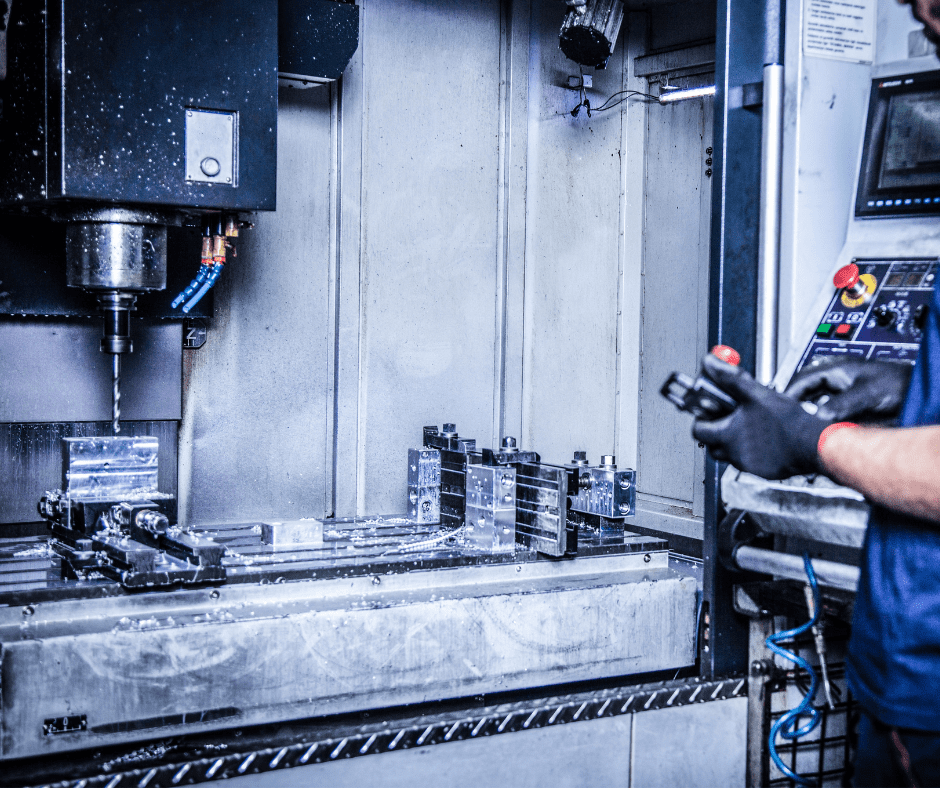
Carbide Dies are widely used in metal forming, wire drawing, and manufacturing processes due to their exceptional hardness, wear resistance, and ability to withstand high pressure. However, like all tooling, they’re not indestructible. By understanding the most common carbide die failures and learning how to prevent them, you can extend tool life, reduce downtime, and protect your production quality. 1. Wear How It Happens Wear is the most frequent cause of carbide die failure. Even though carbide dies are highly resistant to abrasion, continuous use against hard materials gradually erodes the die’s working surface. Over time, wear increases clearances, reduces precision, and can lead to poor product quality. How to Avoid It 2. Chipping How It Happens Chipping occurs when small pieces of the carbide break off from the die surface. Improper handling, misalignment, or excessive shock loads can create tiny fractures in the carbide die that lead to chipping. How to Avoid It 3. Cracking & Breakage How It Happens Severe stress, thermal shock, or improper installation can cause carbide dies to crack or break. Once cracks develop, the die becomes unsafe and must be replaced immediately. How to Avoid It Best Practices for Carbide Die Maintenance Regular care and preventive maintenance are essential for maximizing the lifespan of a carbide die. Consider these proven strategies: Stop Failures Before They Start We deliver outstanding performance in demanding manufacturing environments, but even the toughest materials can fail when subjected to improper use or neglect. When you recognize common failures and follow best practices for handling and maintenance—you can significantly extend die life, improve production quality, and reduce downtime. Investing in a quality carbide die is only the first step! Proper care, alignment, and regular inspection ensure that your tooling continues to perform at its peak, protecting both your process and your bottom line. 👉 For reliable, long-lasting solutions, contact us today to discuss custom carbide dies built for your toughest applications.
Solid Carbide Die Cutting Tools: Driving High-Volume Manufacturing Productivity
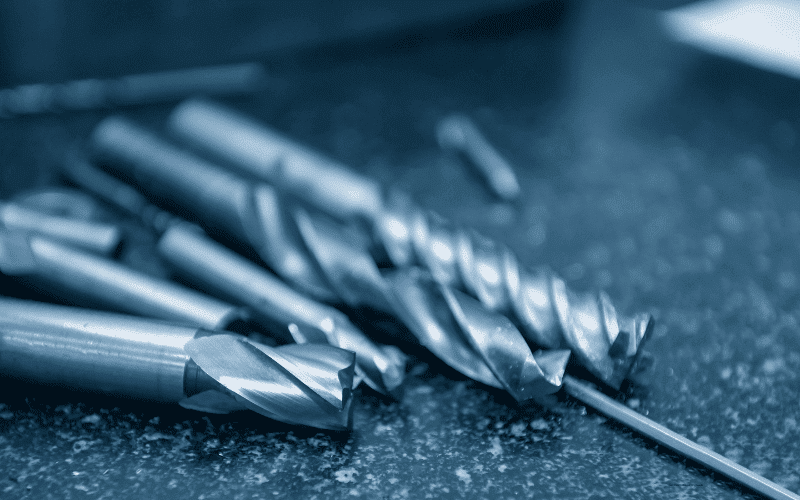
In modern precision machining, the difference between profit and loss is often measured in seconds. Solid carbide die cutting tools have emerged as the industry standard for operations requiring extreme speed, accuracy, and thermal stability. While high-speed steel (HSS) still has its place, solid carbide—engineered from 100% tungsten carbide—offers the rigidity and wear resistance necessary to thrive in high-pressure CNC environments. In this guide, we explore how transitioning to solid carbide can minimize downtime and maximize your output. The Metallurgy of Performance: Why Solid Carbide Wins Understanding the “why” behind solid carbide’s dominance requires a look at its chemical composition. Unlike “carbide-tipped” tools, only feature a small brazed insert, solid carbide tools are monolithic. The Engineered Composition Solid carbide is a powdered metal composite consisting of: Solid Carbide vs. Carbide-Tipped Tools Feature Solid Carbide Tools Carbide-Tipped Tools Material Integrity 100% Uniform Carbide Steel body with Carbide inserts Thermal Expansion Consistent across the tool Risk of brazing failure at high heat Tool Life 5x to 10x longer than HSS Moderate; limited by body flex Precision Highest (Zero deflection) Moderate (Subject to steel body flex) Export to Sheets 4 Key Performance Advantages for CNC Machining 1. Superior Red Hardness (Heat Resistance) Solid carbide maintains its structural integrity at temperatures exceeding 1,000°F (537°C). This “red hardness” allows for dry machining or high-speed operations where HSS would soften and “roll” the cutting edge. 2. Maximum Rigidity and Stiffness With a Young’s Modulus roughly three times that of steel, solid carbide resists deflection. This rigidity is critical when machining deep cavities or maintaining tight tolerances in aerospace and medical components. 3. Exceptional Wear Resistance The hardness of the WC particles allows these tools to withstand abrasive materials like cast iron, glass-filled plastics, and high-silicon aluminum without losing their edge. 4. Improved Surface Integrity Because the tool does not vibrate or “chatter” as easily as steel, it produces a cleaner surface finish, often eliminating the need for secondary grinding or polishing. Strategic Productivity Gains Across Industries Faster Cycle Times (More Parts Per Hour) Solid carbide allows for significantly higher Surface Feet per Minute (SFM). In automotive milling applications, switching to solid carbide often reduces cycle times by 15–25%, allowing shops to increase their daily part count without adding more machines. Industry-Specific Impact Maintenance Best Practices: Protecting Your Investment Solid carbide is incredibly hard, but that hardness comes with brittleness. To maximize tool life, follow these protocols: Scale Your Operations with Precision Tooling Choosing solid carbide isn’t just about buying a tool; it’s about lowering your total cost-per-part. By reducing tool-change intervals and increasing feed rates, you unlock the true capacity of your CNC machinery. Ready to upgrade your shop’s performance? Our engineering team specializes in identifying the exact tungsten carbide grades and geometries for your specific material challenges. Contact us today for a technical consultation and start cutting more efficiently.
Tungsten Carbide Die Bullet Technology: How It’s Changing Modern Ammunition
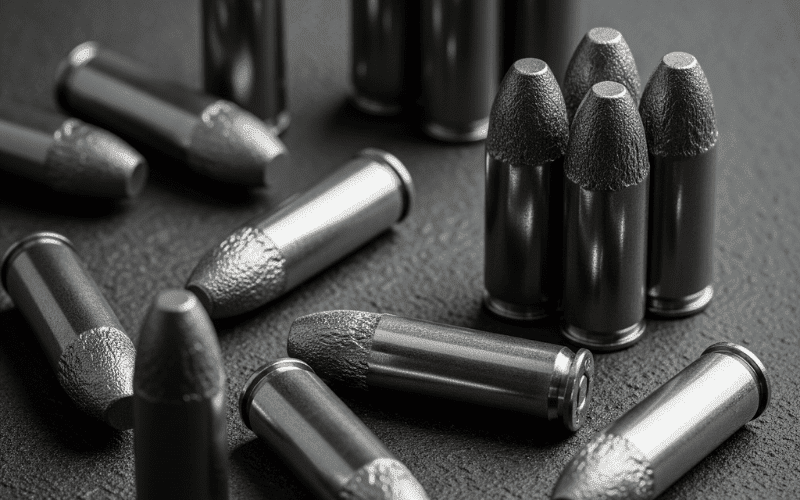
Tungsten carbide die bullets are changing how modern ammunition is made and used. Due to their extreme hardness and high density, these bullets can pierce tough materials more effectively than traditional lead or steel rounds. They’re designed to stay strong on impact, making them useful in defense and specialized shooting situations. Tungsten armor-piercing bullets are often used in military settings because they can penetrate armor and other heavy-duty barriers. Their ability to stay intact and travel through hard surfaces makes them reliable in high-stakes environments. However, using tungsten weapons comes with challenges. They cost more to produce, require more advanced manufacturing methods, and rely on a limited supply of raw materials. In this blog, we’ll explore how tungsten carbide bullet technology works, where it excels, and why it’s gaining interest, despite the trade-offs. What Makes Tungsten Carbide Bullets Unique? The tungsten carbide bullet stands out for two key reasons: extreme hardness and high density. Tungsten carbide dies are nearly as hard as diamonds, which helps bullets resist deformation on impact. It’s also almost twice as dense as steel, giving it more momentum and better penetration against tough targets. How Tungsten Compares to Traditional Materials When compared to standard lead or steel-core ammo, tungsten weapons offer major performance upgrades: Armor-Piercing Capability Tungsten armor-piercing bullets can penetrate much deeper than steel-core rounds. With a density of 15.6 g/cm³ (compared to steel’s 7.8 g/cm³), these bullets retain more energy on impact. Tests on rolled homogeneous armor (RHA) show that tungsten carbide bullets can penetrate 20–30% deeper than steel at the same speed. That makes them especially effective against armored vehicles and reinforced structures where standard rounds might fail. Heat Resistance Tungsten carbide can handle extreme heat, with a melting point of 2,870°C. That means tungsten weapons can be fired at high speeds without losing shape, unlike lead or copper bullets that may soften or melt. This heat resistance is ideal for: Barrel Longevity Depleted uranium (DU) rounds also pierce armor well, but wear out gun barrels faster. DU produces abrasive residue, while tungsten carbide stays stable and clean. As a result: This is a big benefit for units that rely on accuracy over time, like designated marksmen or armored vehicle crews. Note: Because of its hardness (9–9.5 on the Mohs scale), tungsten requires tougher tools during manufacturing. However, the long-term performance easily outweighs that extra cost. How Tungsten Carbide Die Bullets are Made Creating a tungsten carbide bullet involves a high-precision process that starts at the microscopic level. It begins with ultra-fine tungsten powder—usually between 1 and 10 microns—combined with a cobalt binder (around 5–15%). This mixture is carefully balanced to ensure strength and controlled fracture behavior, which is critical for penetration. Step 1: Powder Preparation The powder mix goes through: This preparation stage helps the material maintain both its extreme hardness and its ability to fracture in a controlled way, which is ideal for tungsten armor-piercing bullets. Step 2: Precision Compaction The dried granules are compacted into bullet-shaped forms using specialized carbide dies at over 50,000 psi of pressure. This high-pressure process offers several benefits: These durable dies can produce over 500,000 bullet cores before needing replacement, which is a big plus in a large-scale production of tungsten weapons. Step 3: High-Temperature Sintering The compacted parts—called “green bodies”—are sintered in vacuum furnaces at temperatures between 1,400°C and 1,600°C. This step: The final core reaches 95–98% of theoretical density and achieves Vickers hardness levels between 1400 and 1600 HV, giving tungsten carbide bullets their well-known armor-piercing capabilities. Step 4: Finishing and Quality Control After sintering, each bullet goes through: Every bullet is inspected using non-destructive testing methods like X-ray and ultrasound to ensure there are no internal flaws. Once complete, these advanced projectiles are ready for their main role in defense, where their precision, durability, and strength give tungsten armor-piercing bullets a serious edge in the field. Military & Defense Applications The durability and performance of tungsten carbide die bullets make them a strong fit for military use, especially in situations where traditional ammo doesn’t measure up. Their hardness, density, and heat resistance allow them to meet the demands of modern defense systems across air, land, and sea. Anti-Armor and Anti-Vehicle Use Tungsten armor-piercing bullets are highly effective against armored vehicles like personnel carriers and light tanks. Thanks to their strength and stability, they can: These rounds are often used in squad automatic weapons (SAWs) and vehicle-mounted machine guns to stop threats that standard bullets can’t handle. Precision Shooting and Anti-Materiel Use Tungsten weapons are also valuable in long-range precision roles. Sniper rifles allow for flatter trajectories and more reliable accuracy at distances over 1,500 meters. These bullets are also used in: A good example is the U.S. military’s Mk 211 Mod 0 API round, which combines tungsten carbide bullet technology with incendiary effects to serve multiple functions in combat. Aircraft and Naval Applications Air forces use tungsten armor-piercing bullets in 20mm to 30mm autocannons for air-to-ground attacks and strafing missions. These rounds also show up in: Naval variants are often coated to resist corrosion caused by saltwater environments. Emerging Counter-Drone Systems As drones become more common in warfare, so does the use of tungsten weapons to stop them. These bullets are now used in: Because they’re heavier than standard rounds, tungsten carbide bullets improve hit probability against fast, small targets like UAVs. Challenges and Limitations While tungsten carbide bullets offer outstanding performance in the field, they come with trade-offs that limit their widespread use. From high production costs to supply chain issues, here are the main challenges that come with this advanced technology: High Production Costs Manufacturing tungsten armor-piercing bullets is far more expensive than making traditional rounds. The cost drivers include: In most cases, these rounds cost 3 to 5 times more than standard steel-core ammo, making them harder to afford for large-scale use. Heavier Weight The density that gives tungsten weapons their power also makes them heavier. This can lead to: For example, a 7.62mm tungsten carbide bullet can
Carbide Dies vs. Steel Dies: Which One Is Right for Your Operation?
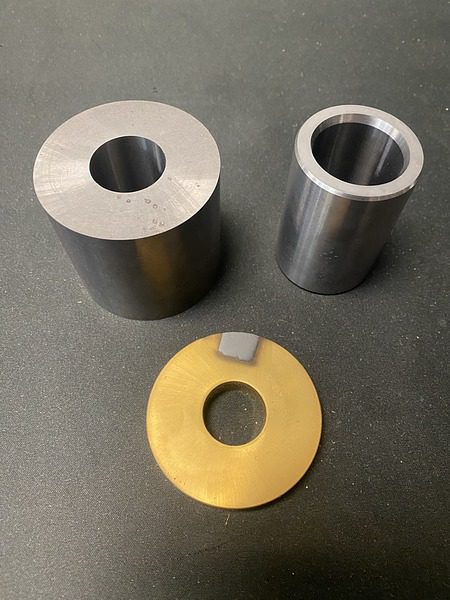
When it comes to choosing the right tooling for manufacturing, especially dies, the decision often comes down to carbide dies or steel dies. Both materials have their place, but if you’re after long-term performance, reduced downtime, and consistent quality — carbide might be the better investment. Here’s how they stack up. Durability and Wear Resistance Steel dies are known for their strength and affordability, but when subjected to heavy loads, repeated use, or abrasive materials, they can wear down relatively quickly. In contrast, carbide dies, made from tungsten carbide, are significantly harder and more wear-resistant. This allows carbide dies to maintain their edge and integrity much longer than steel, especially in high-volume or high-pressure environments. This results in fewer replacements, less downtime, and longer intervals between tool changes. Precision Over Time Tight tolerances are critical in industries like automotive, aerospace, and ammunition. While steel dies may perform well initially, they tend to degrade faster, affecting dimensional accuracy. Alternatively, carbide dies retain precision over extended use, reducing part rejection and ensuring better quality control across the board. If consistency is key to your operation, carbide has a clear edge. Performance in Harsh Conditions In applications involving high heat, corrosive materials, or extreme pressure, carbide’s superior physical properties make it the more reliable option. It resists deformation, chipping, and thermal breakdown better than most steel alloys. For jobs that push your tooling to the limit, carbide dies can handle more abuse without compromising performance. Cost and Long-Term Value There’s no denying that steel dies come with a lower upfront cost. For short production runs or lower-stress applications, they might be the more economical choice. However, in operations where uptime and part quality matter, the higher initial cost of carbide dies is often offset by their lifespan. Over time, carbide dies pay for themselves by lowering replacement frequency, reducing maintenance, and keeping your machines running longer. When Steel Still Makes Sense There are situations where steel might be the practical choice — for example, when working with softer materials, running very short production cycles, or operating under budget constraints. But for growing operations aiming to reduce inefficiencies and scale up quality, carbide is typically the better long-term bet. The Verdict While steel dies are still widely used and suitable for many applications, carbide dies offer clear advantages when it comes to longevity, precision, and performance. If you’re serious about reducing tooling costs over time and maintaining production quality, it’s worth considering a shift to carbide. At Raven Carbide Die, we specialize in custom carbide solutions built to handle demanding environments. If you’re interested in improving output while minimizing maintenance and replacement costs, we’d love to talk about how carbide dies can fit into your operation.
Are Carbide Punches Durable? A Guide to Performance and ROI
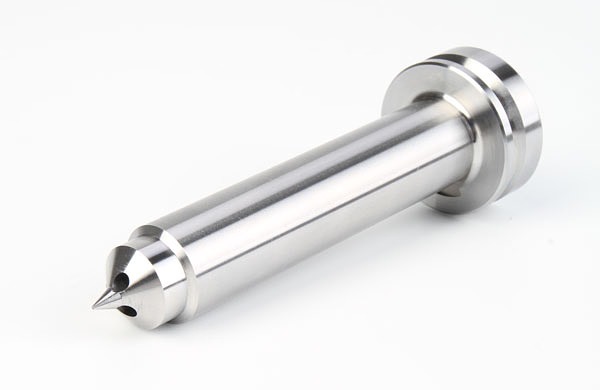
In high-precision manufacturing, a single tool failure can trigger a catastrophic chain reaction: unplanned downtime, scrapped workpieces, and compromised die sets. To mitigate these risks, industry leaders have turned to carbide punches as the gold standard for high-volume stamping and forming. But are they truly more durable than traditional tool steels? This guide explores the metallurgy, applications, and economic value of tungsten carbide in punching operations. What Makes Carbide Punches Unique? A carbide punch is a precision component manufactured from cemented tungsten carbide. Unlike standard tool steel (like D2 or M2), which relies on heat treatment for hardness, carbide is a metal-matrix composite. It consists of hard tungsten carbide particles “cemented” together by a metallic binder—typically Cobalt. This results in a tool with a Young’s Modulus nearly triple that of steel, providing unparalleled rigidity. The Durability Debate: Carbide vs. Tool Steel When assessing the durability of carbide punches, we must look at three specific mechanical properties: 1. Compressive Strength Carbide possesses incredible compressive strength, allowing it to withstand the massive tonnage required to punch through high-strength, low-alloy (HSLA) steels without deforming. 2. Galling and Wear Resistance “Galling” occurs when material from the workpiece friction-welds itself to the punch. Carbide’s low coefficient of friction and high hardness (typically 78–92 HRA) make it highly resistant to this type of abrasive wear. 3. Thermal Stability Unlike tool steels that may “draw” (soften) when friction generates heat, carbide maintains its edge at temperatures that would ruin a standard punch. Property Tungsten Carbide D2 Tool Steel Hardness (HRA/HRC) 88 – 92 HRA 60 – 62 HRC Compressive Strength 500k – 800k psi 300k – 350k psi Elastic Modulus ~90,000 ksi ~30,000 ksi Key Benefits for High-Volume Production How to Maximize the Lifespan of Your Carbide Punch While carbide is exceptionally hard, it is also more brittle than steel. Its durability is high, but its “toughness” against side-loading is lower. To ensure your punches last: Maximizing ROI with Precision Tooling The durability of carbide punches isn’t just a technical spec—it’s a business strategy. By reducing the frequency of tool changes, you maximize “green light time” on your presses and lower your overall cost-per-part. Are you ready to optimize your stamping operation? We specialize in custom-engineered carbide punches designed for your most demanding tolerances. From material selection to precision grinding, we ensure your tools are built for the long haul. Contact us today for a custom quote and discover the Raven difference in durability.
Why Invest in Carbide Cutting Tools
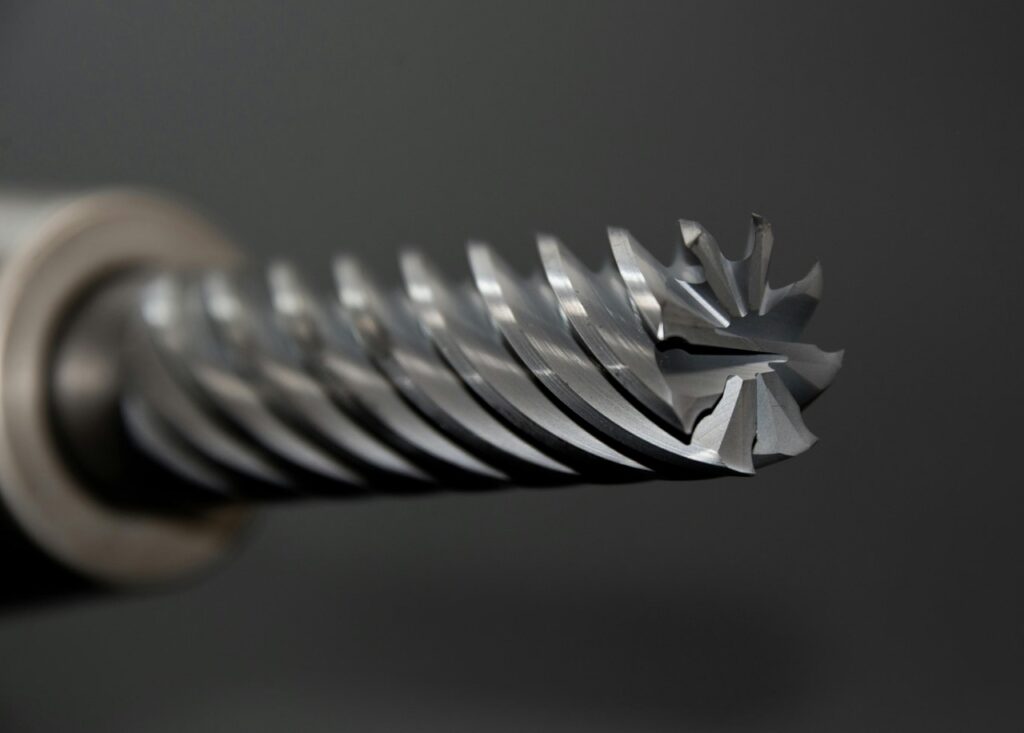
In modern manufacturing, tool performance can make or break a production line. Whether you’re running a high-volume CNC shop or a small batch operation, the cutting tools you choose play a direct role in productivity, quality, and cost efficiency. As demand for tighter tolerances and faster turnaround times grows, manufacturers are rethinking their approach to tooling. Among the many options available today, carbide tooling, such as carbide cutting tools, are trusted in the industry for their consistency and durability. Built to handle intense heat and high-speed operations, these tools are increasingly becoming the go-to choice across industries. From aerospace to automotive, businesses are investing in solid carbide tools not only for their strength but also for their ability to maintain precision over long production runs. This guide breaks down the practical reasons why choosing carbide cutting tools can be beneficial for your company. Key Highlights Raven Carbide provides expert guidance and high-quality carbide cutting tools tailored to your specific machining needs. What Are Carbide Cutting Tools? Carbide cutting tools are precision tools made from a combination of carbide particles and a metal binder, typically cobalt. This compound is then formed into extremely hard cutting tips or tool bodies. What makes carbide special is its hardness. It ranks much higher on the Mohs scale compared to materials like high-speed steel (HSS), which means it can cut tougher materials more efficiently and with less wear. These tools are commonly used in applications where regular cutting tools would dull quickly. For example, industries like aerospace, defense, automotive, mold and die making, and medical device manufacturing rely heavily on carbide cutting tools to maintain performance standards. It’s also worth noting that not all carbide tools are the same. There are brazed carbide tools, where a piece of carbide is fused to a steel body, and there are solid carbide tools, which are made entirely of carbide. The latter is typically more durable and offers better stability in high-speed machining. Compared to traditional steel tools, carbide options last longer, retain their edge better, and support tighter tolerances. That’s why so many shops are choosing to invest in carbide cutting tools: they offer consistency and reliability that directly impacts output quality and efficiency. What Makes Solid Carbide Tools So Reliable? Solid carbide tools have become a trusted option for manufacturers aiming for precision, durability, and long-term value. Their full-carbide composition allows them to outperform conventional cutting tools across several key areas. Below is a breakdown of the most important performance features: 1. Edge Retention and Wear Resistance Tungsten carbide is much harder than high-speed steel, which allows solid carbide tools to stay sharper for longer periods. This means fewer tool changes, better dimensional accuracy, and more consistent results over time. Some carbide cutting tools can also offer up to ten times the lifespan of traditional tooling, depending on the application. Longer tool life helps reduce production downtime and minimizes the cost of tool inventory. 2. Stability at High Temperatures Machining at high speeds often leads to elevated temperatures at the cutting edge. Unlike steel tools that can lose hardness when exposed to heat, solid carbide tools remain thermally stable. This allows them to perform well during dry machining and high-speed applications. 3. Superior Rigidity for Precise Cutting One of the standout features of solid carbide tools is their stiffness. The rigid structure minimizes deflection during cutting, which is essential for maintaining close tolerances. Less tool movement also improves surface finish and reduces vibration that can lead to chatter or premature tool failure. For industries that require tight specifications, such as aerospace or mold making, this level of precision is especially important. 4. Optimized Geometry for Chip Control Solid carbide tools can be designed with specialized flute shapes and cutting angles that help improve chip evacuation. Better chip control reduces the chances of built-up edge or clogging, both of which can damage parts and shorten tool life. With cleaner cuts and less debris buildup, manufacturers can maintain smoother operations and extend tool performance. 5. Versatility Across Materials While solid carbide tools are often associated with difficult-to-machine materials like titanium or hardened steel, they also perform well on aluminum, stainless steel, and various alloys. Their adaptability makes them a practical choice for shops working with mixed materials or those needing to reduce tool changes across different jobs. Key Benefits of Using Carbide Cutting Tools Investing in carbide cutting tools is not only about improving cutting performance. It also has practical advantages that directly affect your bottom line. Whether you’re managing a high-volume production facility or a small-scale shop, these tools offer measurable improvements in efficiency, precision, and cost savings. Here are the benefits you can expect from using carbide cutting tools in your operations: 1. Longer Tool Life Reduces Downtime One of the most noticeable advantages of carbide cutting tools is their extended lifespan. Because they maintain their edge for a longer period, they require fewer replacements during a production run. This translates to less frequent tool changes and fewer disruptions to your workflow. RELATED: Carbide Cutting Tools Maintenance: Best Practices for Peak Performance 2. Better Surface Finish and Dimensional Accuracy Precision matters in any machining task. Carbide cutting tools deliver cleaner cuts with minimal burring or tearing, which leads to superior surface finishes. This reduces the need for secondary operations like polishing or deburring, saving time and labor. The consistent sharpness of these tools also helps maintain tighter tolerances, which is especially important in applications like aerospace, medical, and mold making. 3. Higher Speeds and Feed Rates Improve Productivity Because carbide cutting tools can withstand more heat and stress than traditional tools, they allow for faster cutting speeds and feed rates. This means you can process more parts in less time without compromising on quality. 4. Consistent Performance in Tough Materials Machining harder metals like stainless steel, titanium, or heat-treated alloys often leads to rapid tool wear. Solid carbide tools are built to handle these materials with reduced risk of breakage or chipping. Their strength and
How to Cut Carbide: Tools, Techniques, and Tips
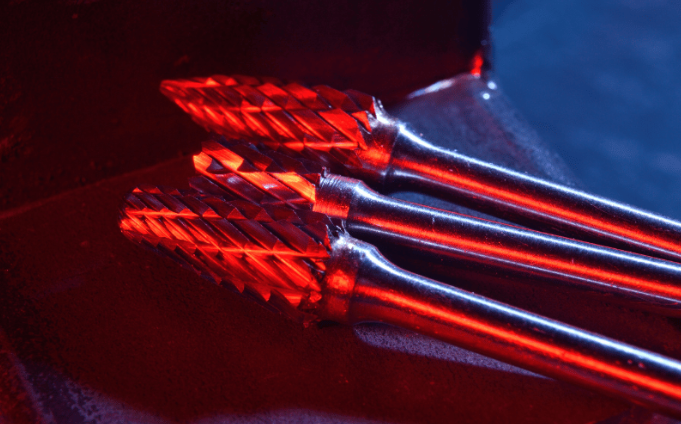
Cutting carbide, particularly tungsten carbide, can be challenging due to its extreme hardness and brittleness. Commonly used in industrial tools, drill bits, carbide dies, and wear-resistant parts, carbide requires specialized techniques to cut without cracking or damaging the material. If you’re a machinist, fabricator, or DIY enthusiast interested in knowing how to cut carbide effectively, this guide covers the best tools, step-by-step methods, and expert tips for getting clean, precise results. Understanding the Challenge Tungsten carbide dies rank among the hardest materials used in manufacturing, second only to diamond. This characteristic raises an important question: can you cut tungsten carbide? The short answer is yes—but it requires the right tools and techniques. Unlike softer metals, tungsten carbide’s extreme hardness makes it resistant to conventional cutting methods. Standard steel blades will dull almost immediately, and excessive force can cause cracking or chipping. Additionally, the material’s brittleness means improper handling leads to microfractures, compromising structural integrity. However, specialized tools make cutting tungsten carbide possible. These methods minimize heat buildup and mechanical stress, ensuring clean cuts without damaging the workpiece. Let’s learn more about them in the next section. Best Tools for Cutting Carbide Carbide cutting demands specialized equipment that can withstand its extreme hardness. Below are the most effective tools for the job, each suited for different applications and precision levels: Diamond-Coated Tools Diamond-coated blades and grinding wheels are the gold standard for clean and precise cuts. The diamond abrasive effortlessly grinds through tungsten carbide without excessive heat buildup. These tools work best for detailed shaping and finishing work where precision matters most. Carbide-Tipped Saws Carbide-tipped saws are a cost-effective option for carbide tooling maintenance when diamond blades are unavailable, although they are less durable. These saws can make straight cuts in smaller carbide pieces but require more frequent blade replacements compared to diamond options. Waterjet Cutting Unlike cold headings, which shape carbide without heat, waterjet cutting removes material cleanly for the finished edges. The high-pressure water-abrasive mixture eliminates the risk of thermal damage and works well for thicker carbide pieces. Abrasive Cutoff Wheels Abrasive wheels are a more budget-friendly option that can handle carbide cutting at slower speeds. Although they require more time and produce rougher edges than diamond tools, they get the job done for less demanding applications. Now that you know which tools to use, let’s walk you through the step-by-step process for cutting carbide safely and effectively. How to Cut Tungsten Carbide: A Step-by-Step Guide Cutting tungsten carbide requires careful technique to avoid damaging the material and your tools. Follow these steps for clean and safe results: Step 1: Choose the Right Tool The first step in successfully cutting tungsten carbide is choosing the right tool. Diamond blades are ideal if you want precision. If cost is a concern, abrasive wheels are a practical option. A waterjet is the most effective solution for thick carbide sections. To achieve clean and precise results, make sure the tool’s hardness is comparable to the carbide being cut. Step 2: Secure the Workplace Firmly clamp the carbide workpiece in place to prevent vibrations that can lead to uneven cuts. Doing so minimizes the risk of the material cracking due to unexpected movement during the cutting process. Moreover, a securely held workpiece significantly reduces safety hazards, such as the carbide slipping and causing injury. Remember, taking the time to secure your workpiece properly is crucial for achieving optimal results and maintaining a safe working environment. Step 3: Apply Lubrication/Coolant Using the right coolant during the cutting process drastically reduces heat buildup, which can compromise the carbide’s strength and lead to damage. Coolant also extends the lifespan of your cutting tools, saving you money and time on replacements. As a bonus, coolant helps you achieve a cleaner, higher-quality cut by minimizing friction and preventing material deformation. So, make sure the coolant you select is compatible with both the carbide and the cutting tool you’re using. Step 4: Make the Cut When cutting tungsten carbide, we recommend adopting a measured and patient approach. Apply slow, steady pressure and let the tool work at its optimal speed to achieve clean, precise cuts and extend the life of your cutting equipment. For thicker pieces, use multiple light passes instead of a single heavy cut to minimize the risk of damage and produce a smoother, more accurate result. Step 5: Inspect and Finish After cutting, inspect the carbide under magnification for any micro-cracks. If necessary, smooth out any rough edges with diamond files to achieve a polished finish. Finally, ensure all abrasive debris is cleaned away from the workpiece and the surrounding area, as these particles can cause damage or interfere with subsequent processes. Common Carbide Cutting Mistakes and How to Avoid Them Even experienced professionals can encounter challenges when cutting tungsten carbide. Avoiding these pitfalls will help you achieve better results while extending your tool life: Using the Wrong Cutting Tools One of the most frequent mistakes is attempting to cut carbide with standard steel blades or inappropriate equipment. These tools will dull quickly and can even shatter with excessive force. To prevent this from happening, always use tools specifically designed for carbide cutting, such as diamond-coated tools, carbide-tipped saws, or specialized abrasives. Applying Too Much Force or Speed Using excessive force or speed generates too much heat, which causes microfractures, premature tool wear, and dangerous kickbacks. To avoid this, let the tool work at its recommended speed and apply gentle, consistent pressure for clean, precise cuts and longer tool life. Neglecting Proper Cooling Skipping coolant during the carbide-cutting process is a mistake with serious consequences. Without proper lubrication, carbide is susceptible to thermal shock, which can compromise its structural integrity. Neglecting to use coolant also accelerates tool wear, leading to premature failure and the need for frequent replacements. To avoid these issues, always use the appropriate cutting fluid or coolant, especially when grinding or making prolonged cuts. Poor Workpiece Securement Improperly securing the workpiece during cutting can lead to vibrations and movement, resulting in uneven
Carbide Dies Lifespan: Common Mistakes That Shorten It (And How to Avoid Them)
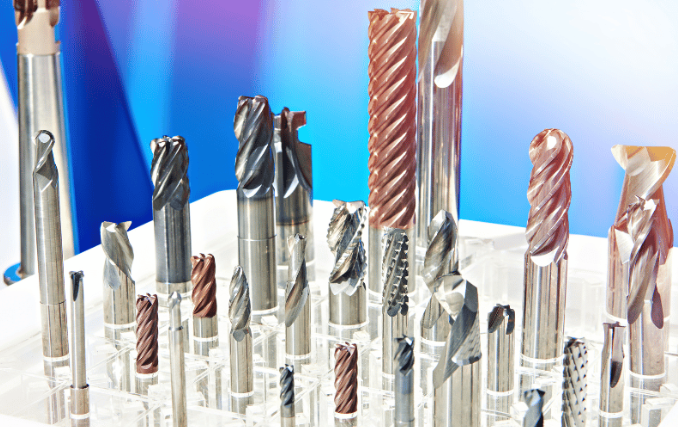
Carbide dies play a critical role in metalworking, known for their durability in shaping, cutting, and forming tough materials. That said, their lifespan isn’t fixed—it can range from a few months to several years, depending on how they’re used and maintained. The average lifespan of carbide dies depends on factors like material hardness, production volume, and die design, but many dies fail early due to preventable mistakes. In this guide, we’ll cover the most common errors that shorten die life—and more importantly, share proven carbide die usage tips to help you extend performance and reduce downtime. If you work in manufacturing or handle tool maintenance, these tips will help you get the most out of your carbide dies. Common Mistakes That Reduce Carbide Dies’ Lifespan Even the toughest carbide dies can fail early when exposed to avoidable errors. While these tools are engineered for long-term use, the carbide dies lifespan often falls short due to common misuse, including: Poor Handling & Storage Improper handling and storage can cause irreversible damage. Dropping or roughly handling carbide dies may create micro-fractures that worsen over time, eventually leading to breakage. Just as critical is how they’re stored—humidity can cause corrosion, and careless stacking may chip the edges. These issues, while seemingly minor, can reduce the lifespan of your carbide dies by 30–50%. Incorrect Lubrication Practices Using the wrong lubricant—or using it incorrectly—is another common reason for premature failure. Applying too much lubricant can lead to residue buildup, while too little increases friction and wear. Even selecting a lubricant not suited for the material can cause uneven wear. These mistakes often result in shortened die life and increased downtime. Overloading and Improper Usage Many users unknowingly shorten the lifespan of their carbide dies due to operational misuse. Common issues include: These practices create stress points that can lead to cracks and structural failure. For instance, a die built for aluminum might last years under the right conditions, but if used on stainless steel, it could fail within weeks. Neglecting Regular Maintenance Skipping routine maintenance lets small problems snowball into serious damage. Failing to clean the dies after use allows metal debris to build up, which creates a rough surface that wears down precision over time. Ignoring early signs of wear, like galling, can also cause permanent damage and force early replacement. Regular inspections are essential. They allow you to catch and fix issues before they result in unplanned downtime or costly repairs. Improper Sharpening and Reconditioning When maintenance is done incorrectly, it often does more harm than good. Common sharpening mistakes include: These errors compromise structural integrity and throw off critical tolerances. Unlike steel, carbide must be handled with exacting precision. Up next, we’ll share carbide die usage tips to help you avoid these pitfalls and get the most out of your tools. How to Extend Carbide Dies Lifespan Now that we’ve identified the common mistakes that shorten die life, let’s focus on proven strategies to maximize your carbide dies’ performance and longevity. Implementing these practices can significantly extend your tooling’s productive lifespan while maintaining consistent quality in your operations: Optimize Handling and Storage Proper care of carbide dies is essential for ensuring their long lifespan and continued effectiveness. Here’s how to handle and store them correctly: These simple measures can preserve your dies’ structural integrity during downtime. Implement Precision Lubrication Practices To prevent operational issues, you need to implement precision lubrication practices following these guidelines: Master Proper Usage Techniques Proper usage habits lead to long-term performance and fewer replacements, saving both time and money. Here are some key carbide die usage tips you can put into practice: Establish Rigorous Maintenance Routines Preventive maintenance is also key to extending the lifespan of your carbide dies. The following are steps you can incorporate into your routine: Apply Professional-Grade Sharpening Keeping carbide dies sharp is necessary for efficiency and high performance in metalworking operations. Here’s how you can do so with precision: Leverage Advanced Monitoring Technology Modern tooling management benefits greatly from technological advancements. Here’s how you can integrate them to enhance your carbide die management processes: Investing in these monitoring technologies can lead to significant cost savings by extending tool life and minimizing disruptions in your operations. In the penultimate section, we’ll provide more specialized tips to further optimize carbide die performance. Additional Carbide Die Usage Tips Although the average lifespan of carbide dies mainly depends on application specifics, adhering to these strategic practices can substantially extend their longevity: Rotate Dies in High-Volume Production One of the most effective carbide die usage tips for high-volume operations is to implement a die rotation system. Rotating your dies helps distribute wear more evenly and prevents one tool from taking the brunt of the workload. By cycling through your inventory strategically, you maintain consistent output quality and extend the average lifespan of carbide dies across your entire setup. Prioritize Quality in Die Selection When sourcing new carbide dies, quality matters more than you might think. Always check for proper material certifications and ask for manufacturer testing data to confirm you’re getting the right carbide grade for your needs. For more demanding jobs, consider specialty coatings like titanium aluminum nitride (TiAlN) or diamond-like carbon (DLC). These coatings improve wear resistance and boost tool longevity. While high-end dies may cost more upfront, they pay off with fewer replacements, less downtime, and lower long-term costs. A high-quality die tailored to the right material can last three to five times longer than lower-grade options, making it a wise investment for any serious operation. Establish a Die Tracking and Documentation System Digital tracking is one of the most overlooked but impactful carbide die usage tips. By logging usage hours, maintenance records, and performance benchmarks, you can schedule maintenance proactively and spot wear trends before they lead to failure. This documentation reduces unexpected die failures by 30–40%, helps justify premium tooling investments, and keeps all operators aligned with standardized best practices. Instead of relying on guesswork, you’ll have data-driven insights that extend the
Carbide Tooling Maintenance: Best Practices for Peak Performance
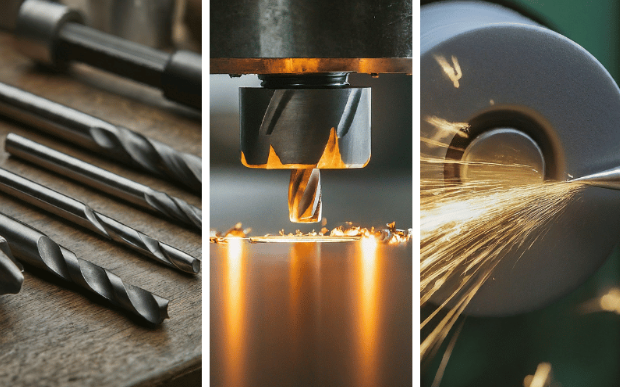
Carbide-cutting tools are essential for precision machining, offering superior hardness and wear resistance compared to traditional steel tools. However, their performance and longevity depend heavily on proper carbide cutting tools maintenance. Neglecting routine care can lead to premature wear, poor surface finishes, and costly replacements—especially with custom carbide tooling, where specialized geometries demand extra attention. This guide covers the best practices to keep your carbide tools in peak condition. From cleaning and storage to sharpening and troubleshooting, you’ll learn to maximize efficiency, reduce downtime, and protect your investment. Whether you’re working with standard carbide tooling or tailored solutions, these maintenance steps will ensure consistent, high-quality results. Why Carbide Cutting Tools Need Regular Maintenance? Carbide-cutting tools outperform standard steel tools in durability and precision—but only with proper care. Even the toughest carbide tools degrade faster without regular maintenance, leading to higher costs and inconsistent results. Here’s why proactive upkeep matters. Wear Directly Impacts Performance Every cut, grind, or drill gradually wears down carbide edges. Dull tools require more force, generating excess heat and reducing accuracy. Regular maintenance keeps cutting edges sharp, ensuring smooth operations and preventing workpiece damage. Avoiding Costly Replacements Carbide tools are a significant investment. Letting them wear unchecked leads to premature failure, forcing frequent replacements. Simple steps like cleaning and proper storage extend their lifespan, saving money in the long run. Maintaining Precision in Custom Carbide Tooling Custom carbide tooling often has complex geometries for specialized tasks. Even minor wear alters performance. Routine checks and adjustments preserve tolerances, ensuring consistent results in high-precision applications. Reducing Downtime and Production Delays A poorly maintained tool fails unexpectedly, halting production. Scheduled maintenance minimizes unplanned stops, keeping workflows efficient and deadlines on track. Protecting Coatings and Surface Integrity Many carbide tools feature wear-resistant coatings. Chips, coolant residue, or improper handling damage these layers. Regular cleaning and careful use prevent coating degradation, maintaining cutting efficiency. Maintenance is imperative for ensuring optimal performance, effectively managing costs, and maintaining reliability. In the following sections, we’ll detail how to clean, store, and sharpen carbide tools effectively. Cleaning Carbide Cutting Tools: Step-by-Step Guide Proper cleaning is a must in effective carbide-cutting tools maintenance. Built-up chips, coolant residue, and debris accelerate wear while compromising precision. Follow these steps to keep tools in optimal condition: Start with Immediate Post-Use Cleaning Never let residue dry on carbide tools. After use, remove the tool from the machine and wipe away visible chips with a soft brush or lint-free cloth. This prevents hardened debris from bonding to surfaces, which makes later cleaning more difficult. Use the Right Cleaning Solutions Harsh chemicals can damage carbide substrates and coatings. Instead, use specialized tool cleaners or mild detergents diluted in warm water. For stubborn deposits, an ultrasonic cleaner effectively loosens grime without abrasive scrubbing. Always rinse tools thoroughly after cleaning to remove any chemical traces. Pay Attention to Flutes and Cutting Edges Debris often accumulates in tight spaces, like flutes or along cutting edges. Use a nylon brush or compressed air to gently dislodge particles. Avoid metal brushes or scrapers, as they can scratch surfaces and create micro-fractures that weaken the tool. Dry Thoroughly to Prevent Corrosion Even small amounts of moisture can cause oxidation over time. After cleaning, dry tools immediately with a clean cloth or air blower. Consider applying a thin layer of rust-inhibiting oil to unprotected surfaces for long-term storage. Inspect for Hidden Damage Cleaning provides an opportunity to spot early signs of wear. Check for chipping, cracks, or coating delamination under bright light to identify signs of wear and tear early. This practice prevents further damage during operation. Special Care for Custom Carbide Tooling Custom tools with complex geometries require extra attention. If needed, use magnification to ensure all surfaces are clean, especially in hard-to-reach areas. Improper cleaning can lead to uneven wear, reducing the tool’s effectiveness for specialized tasks. Maintaining a Routine Create a regular cleaning schedule for your tools based on how often you use them—daily for high-volume operations or after each use for critical applications. Regular cleaning helps your tools last longer, work better, and reduces the risk of them breaking unexpectedly. Next, we’ll cover how proper storage further protects your investment. Proper Storage Solutions for Carbide Tools Even the most durable carbide tools degrade when stored improperly. Impact, moisture, and temperature fluctuations can compromise tool integrity before they ever reach the workpiece. Implementing innovative storage practices preserves your investment and ensures tools perform as expected when needed. Control the Storage Environment Carbide tools thrive in stable, dry conditions. Store them in a climate-controlled area with low humidity to prevent oxidation. See to it that you avoid extreme temperatures, as rapid expansion and contraction can weaken the carbide substrate. A consistent environment between 15-25°C (59-77°F) with relative humidity below 60% is ideal. Use Protective Containers and Organizers Loose storage in drawers or bins invites disaster. Individual slots in foam-lined cases or dedicated tool racks prevent contact between tools, eliminating chips and nicks. For expensive custom carbide tooling, consider shock-resistant cases with custom foam inserts that cradle each tool’s unique geometry. Clear labeling prevents unnecessary handling and speeds up tool selection. Implement a First-In, First-Out System Organize tools by usage frequency, placing regularly used items in easily accessible locations. This minimizes unnecessary handling of specialty tools while ensuring older inventory gets used before newer stock. A well-organized system also helps technicians quickly identify missing or damaged equipment. Protect Cutting Edges During Storage Exposed cutting edges remain vulnerable even in proper containers. Slip-on edge protectors or plastic caps shield sharp surfaces from accidental contact. For tools with multiple flutes or complex profiles, anti-corrosion paper wraps provide an additional barrier against moisture while preventing metal-to-metal contact. Special Considerations for Coated Tools Tools with specialized coatings require extra precautions. Store them separately from uncoated tools to prevent abrasion, and avoid stacking unless separated by soft dividers. Some coatings benefit from vapor-inhibiting packaging that actively prevents oxidation during long-term storage. Maintaining Storage Integrity Regularly inspect storage areas for environmental changes and container
Understanding Extrusion Die Types
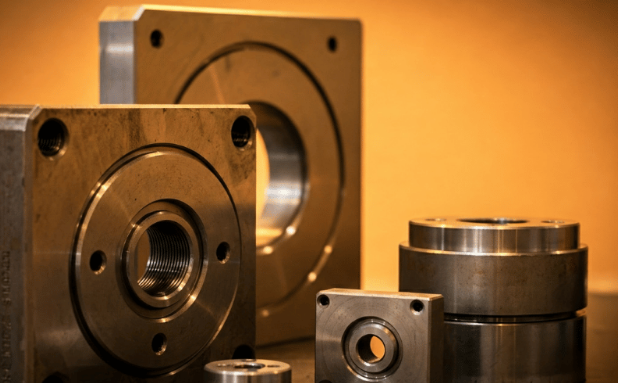
Extrusion is a process where material is pushed through a shaped opening to create a desired form. This opening is called an extrusion die, and it acts as a mold, giving the material its final shape. Extrusion dies are important in manufacturing various products, from simple rods and tubes to complex custom profiles. They come in many forms to meet the demands of different industries and applications. In this blog, we’ll look at the main types of extrusion dies and discuss the key factors to consider when choosing one. Main Types of Extrusion Dies We can broadly classify extrusion dies into three main types, each designed to produce distinct product geometries and cater to various industrial applications. Let’s take a closer look at each: Solid Dies As the name suggests, solid dies produce solid shapes. These shapes are often simple and uniform, such as rods, bars, and wires. Picture a die with a circular opening – this would produce a solid cylindrical rod. Solid dies are generally the simplest type of extruder die in terms of design and construction. Hollow Dies These dies create products with hollow cavities, such as tubes, pipes, and hollow structural sections. To achieve this, a mandrel is positioned within the die to form the internal cavity. The material flows around the mandrel, creating the hollow shape. Designing hollow dies requires more intricate engineering than solid dies due to the added complexity of the mandrel and the need for precise material flow control. Profile Dies Profile dies create the most complex shapes, including intricate cross-sections with multiple voids, curves, and varying thicknesses. Window frames, door handles, and automotive trim are just a few examples of their finished products. The design of these dies is the most complex, often requiring advanced engineering and manufacturing techniques. Making the right choice among the types of extrusion dies is crucial for achieving the desired final product. Factors like the intended application, material properties, and production volume all influence the decision-making process. If you need help determining which die type best suits your needs, our team of experienced die makers can provide expert guidance. Factors Influencing Die Choice Choosing the right extrusion die involves considering several key factors. These factors directly impact the die’s design, material, and, ultimately, its effectiveness in producing the desired product. Material Firstly, the type of material being extruded plays a significant role. Different materials have varying properties, such as viscosity and temperature sensitivity, which influence die design. For instance, aluminum extrusion dies differ from those used for plastics or steel. Desired Shape Also, the desired shape of the final product is critical. As discussed earlier, simple shapes like rods and bars require solid dies, while hollow shapes necessitate hollow dies with mandrels. Complex profiles demand intricate die designs with specialized features. Production Volume Finally, production volume influences die selection. Durable die materials like carbide are preferred for high-volume production. In contrast, lower-volume production may utilize less expensive materials like steel. Analyzing these factors allows manufacturers to optimize their extrusion process for efficiency and product quality. Optimize Your Extrusion Process with Raven Carbide Die Extrusion dies are indispensable tools in modern manufacturing, enabling the creation of a wide array of products. Understanding the different types of dies and the factors that influence their selection is critical for successful extrusion. Careful consideration of the material, desired shape, and production volume allows you to choose the right die for your intended application. Want to learn more about our top-quality extrusion dies? Reach out to us for expert advice and solutions tailored to your specific requirements. Contact us today!
What is Cold Heading?
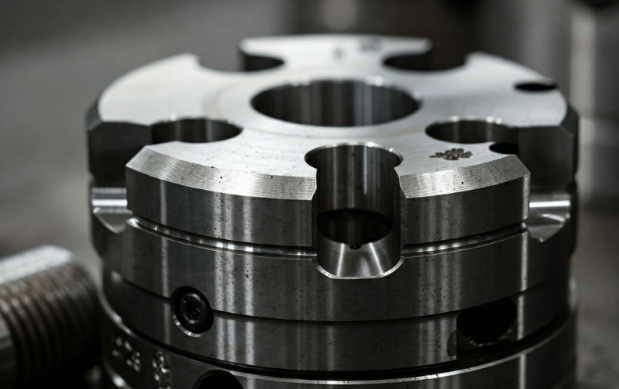
Modern manufacturing demands efficiency and precision. Industries require high-quality parts produced quickly, often with strict requirements for strength and consistency. Cold heading provides a proven solution for creating various components, from fasteners to automotive parts. At the core of this process are cold heading dies, specialized tools that shape metal with force and accuracy. They are vital for achieving complex geometries and tight tolerances needed in many applications. This blog will explore the ins and outs of cold heading, examine its advantages, applications, and the important role cold heading dies play. The Cold Heading Process Cold heading is a metal-forming process performed at room temperature. It involves using a series of dies to shape a wire or rod into a desired form. The process begins with a wire or rod cut to a specific length. This blank is then placed into a die, and a punch applies force to deform the metal. Through a series of die cavities, the metal is gradually shaped into the final product. The “cold” in cold heading refers to the temperature at which the process occurs. Unlike hot forming, where metal is heated to become more malleable, cold heading takes advantage of the metal’s inherent properties at an ambient temperature. This option offers several benefits, including improved strength and surface finish. Parts that have undergone the cold heading process exhibit notable characteristics, such as increased grain density and dimensional accuracy, compared to parts produced through other methods like machining. Cold heading is particularly well-suited for creating parts with symmetrical shapes and heads, like screws, bolts, and rivets. Steps in the Cold Heading Process Understanding the steps involved in cold heading provides a clearer picture of what “cold headed meaning” represents. While the precise sequence may vary depending on the part’s complexity, the common stages include: Shearing The process begins with feeding a wire or rod of the required material into the machine. A shear tool cuts the wire into precise blanks, providing the starting point for the cold heading process. Upsetting Often the first stage of deformation, upsetting involves placing the blank in a die. The force coming from a punch compresses the metal and increases its diameter. This effectively “upsets” the original shape and forms the head of fasteners like screws or bolts. Heading The upset blank transfers to a new die cavity where a precisely shaped punch strikes the metal. This forces the material to flow and conform to the die’s contours, creating the final head form. The accuracy and durability of carbide dies are essential in this stage, especially for parts with complex shapes that require multiple heading operations. Extruding If the part needs a reduced diameter section or a specific feature like a groove, an extrusion step comes next. The machine forces the metal through a die opening, which reduces the cross-sectional area. Trimming Heading sometimes produces excess material or flash. A trimming operation removes this excess, ensuring the final part meets dimensional requirements. Pointing If a pointed end is necessary, as with a screw, a pointing operation shapes the end of the part using a specialized die. Thread Rolling For threaded fasteners, thread rolling occurs after the heading process. The machine rolls the part between dies with the desired thread pattern, creating threads without removing material. Tool Maintenance An essential aspect of cold heading involves maintaining the dies and other tooling components to ensure consistent accuracy and performance. Proper maintenance of carbide dies and other tools ensure longevity and consistent part quality. The precisely controlled deformation inherent in each stage of cold heading results in components that exhibit enhanced grain structure, superior strength, and precise forms. This combination of attributes defines the essence of cold heading: an efficient method for producing high-quality components from simple wire. Advantages of Cold Heading The cold heading process offers numerous benefits that make it a preferred choice for various manufacturing applications: Disadvantages of Cold Heading While cold heading offers numerous advantages, it’s essential to consider its limitations: Despite these limitations, cold heading remains a highly efficient and cost-effective solution for many applications. Careful consideration of part design and material selection can mitigate potential challenges. Applications of Cold Heading The versatility of the cold heading process makes it a popular choice across diverse industries, including the following key sectors: The ability to produce strong, accurate parts at high speed makes cold heading a preferred method for creating essential components. For more examples of cold heading applications and how the process serves different industries, visit our website. Cold Heading vs. Other Cold Forming Processes While cold heading is a prominent method among cold-forming processes, it’s not the only option. Other techniques, such as cold forging, extrusion, and stamping, also shape metal without heat. However, key differences set these methods apart. Cold forging involves shaping metal using compressive forces within a die cavity. This process creates more complex geometries than cold heading but often requires higher tonnage presses and more intricate die designs. Extrusion pushes metal through a die to make long, uniform shapes with a constant cross-section. Stamping uses a punch and die to cut or form sheet metal. The choice between these processes depends on the specific application and desired part characteristics. Cold heading excels in producing smaller, high-volume parts with symmetrical shapes and heads, such as fasteners and pins. The efficiency and speed of the cold heading process, combined with the precision of cold heading dies, make it a cost-effective solution for these applications. In contrast, cold forging is better for larger, more complex parts with asymmetrical features. Extrusion is ideal for creating long, continuous shapes like rods and tubes, while stamping is preferred for flat or sheet metal components. As a manufacturer, you need to understand the strengths and limitations of each cold-forming process. This knowledge will enable you to select the most suitable method for your needs and desired part characteristics. Choosing the Right Cold Heading Company The success of a cold heading project hinges on partnering with the right company.
Carbide Tooling Essentials: A Guide to Choosing the Right Tools
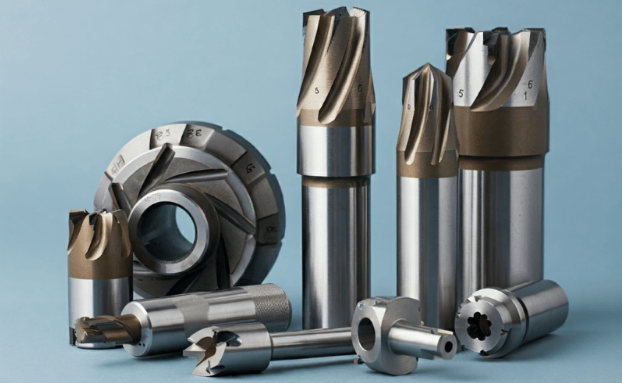
Carbide tooling has become the backbone of modern precision engineering. Whether you are milling aerospace-grade titanium or turning automotive steel, the choice of cutting tool determines your cycle time, surface finish, and overall profitability. In this guide, we break down the science behind carbide cutting tools and provide a roadmap for selecting the optimal tool for your specific application. What is a Cutting Tool? In manufacturing, a cutting tool is any device used to remove material from a workpiece via shear deformation. While traditional High-Speed Steel (HSS) was once the industry standard, cemented carbide has taken the lead due to its superior thermal stability. Common Types of Carbide Cutting Tools Why Carbide Dies? The Science of Performance Carbide tooling is a composite material: tungsten carbide (WC) particles “cemented” together by a metallic binder, usually cobalt. Key Advantages Over High-Speed Steel (HSS) Compared to traditional materials, carbide offers: 5 Factors for Selecting the Right Carbide Tool Selecting a tool isn’t just about the shape; it’s about the synergy between the tool and the machine. 1. Workpiece Material (ISO Classification) Tooling is often categorized by the material it is designed to cut: 2. Tool Geometry The angles of the tool determine how the chip is formed and evacuated: 3. Carbide Grade and Grain Size 4. Advanced Coatings (PVD vs. CVD) Coatings act as a chemical and thermal barrier, preventing the heat of the cut from reaching the carbide core, which prevents premature tool failure. Common Carbide Coating Specifications: Coating Ideal Application Maximum Service Temp TiN (Titanium Nitride) General-purpose steel & iron 600°C TiAlN (Titanium Aluminum Nitride) High-speed machining & dry cutting 800°C AlTiN (Aluminum Titanium Nitride) Hardened steels & aerospace alloys 900°C+ TiB2 (Titanium Diboride) Aluminum & non-ferrous (prevents sticking) 700°C 5. Machine Capabilities There’s no use buying a high-performance carbide end mill if your spindle lacks the RPM or the rigidity to support it. Ensure your machine’s horsepower and vibration dampening match the tool’s requirements. Industry Applications Optimizing Machining Efficiency with High-Performance Carbide Dies Carbide tooling is an investment in machining productivity. While the initial cost per tool is higher than HSS, the reduction in cycle time and the increase in tool life result in a significantly lower cost-per-part. Ready to optimize your shop floor? Our engineers can help you match the perfect carbide grade to your specific material. Contact us today for a tool life audit and start cutting faster.
What is Tungsten Carbide Die?
One of the most resilient and versatile materials in modern industry. It finds applications in various fields, from machining and manufacturing to mining and even jewelry. In this blog, we’ll learn more about tungsten carbide die, its unique properties, and how it impacts our lives. We’ll also examine its composition, the different grades available, and why it’s become indispensable across numerous industries. Tungsten Carbide Material & Properties Tungsten carbide is a compound material. It’s made by combining two elements: tungsten and carbon. The process involves binding its particles with a metal, usually cobalt or nickel. This acts as a “glue,” holding the carbide particles together. Key Properties The unique tungsten carbide composition gives the compound several distinctive properties, including: These properties make this material ideal for applications needing strength, wear resistance, and the ability to withstand harsh conditions. What is Tungsten Carbide Used For? Given its remarkable properties, there are different applications across various industries. Some notable examples include: Metal Working and Machining Tungsten carbide’s hardness makes it ideal for cutting tools, drill bits, and milling cutters. These tools can efficiently cut through hard materials like steel and titanium, making them crucial in the manufacturing and metalworking industries. Wear-Resistant Parts Its resistance to wear and abrasion makes tungsten carbide perfect for parts that experience high friction. This includes dies, nozzles, bearings, and other components used in machinery and equipment. Mining and Construction Tungsten carbide also excels in the demanding environments of mining and construction. It’s used in drilling equipment, rock bits, and other tools that need to withstand harsh conditions and abrasive materials. Other Applications Beyond industrial applications, tungsten carbide’s strength and resistance to wear make it a valuable material in a surprising number of everyday items. For example, it’s a popular choice for jewelry because it resists scratches and maintains its shine. Sports enthusiasts might find it in golf clubs and fishing gear, where its density and durability offer performance advantages. Even the medical field utilizes tungsten carbide in implants due to its biocompatibility and long-lasting nature. These diverse applications showcase the adaptability of tungsten carbide and its ability to improve products in various fields. Tungsten Carbide Die Grades It comes in various grades, each with specific properties and applications. These grades are determined by factors like the grain size of the particles and the type and amount of binder metal used in the tungsten carbide composition. This variation allows manufacturers to fine-tune the material for optimal performance in different uses. Common Tungsten Carbide Grades and their Applications Here’s a look at some of the common grades: Selecting the appropriate grade is crucial for achieving the desired performance and lifespan of your tungsten carbide tools or components. Each grade offers a unique balance of properties, making it essential to match the material to the intended application. Benefits of Using Tungsten Carbide Its exceptional properties translate into tangible advantages for businesses and manufacturers, including: Increased Productivity and Efficiency Can withstand higher cutting speeds and heavier loads compared to traditional steel tools. This leads to faster production times and increased efficiency. Cost-Effectiveness Its extended lifespan and reduced downtime result in long-term cost savings. Extreme Durability Tungsten carbide’s resistance to wear, heat, and corrosion makes it ideal for applications in demanding environments. It can operate under extreme conditions where other materials would fail. Furthermore, the use of carbide dies in manufacturing contributes to greater precision and product quality. These advantages highlight why tungsten carbide has become indispensable in modern manufacturing and other industries. Wrapping Up Tungsten carbide has proven to be an exceptional material with diverse applications across numerous industries. Its hardness, durability, and versatility make it a valuable asset in manufacturing, mining, construction, and even everyday items like jewelry. Understanding its properties and grades allows you to harness the power of tungsten carbide to improve efficiency, productivity, and product quality. If you’re seeking to leverage the benefits of tungsten carbide in your operations, our team at Raven Carbide Die is ready to assist you. Contact us today to discuss your needs and explore how our expertise can help you achieve your business goals.
Understanding the Composition and Uses of Tungsten Carbide
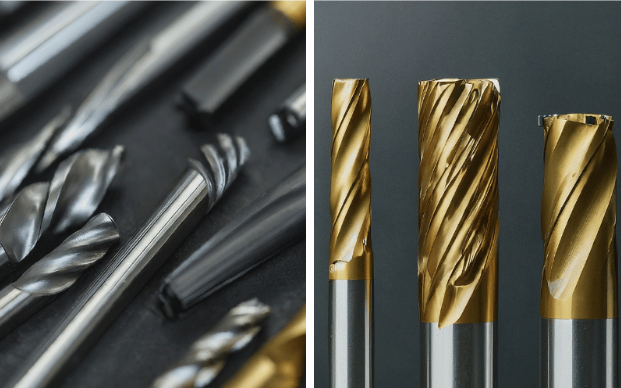
Carbide is an incredibly strong and versatile material used in various industries. From cutting tools to wear-resistant parts, its applications are numerous. But what exactly is carbide, and how is it made? This blog post will explore the composition of carbide, its manufacturing process, and some of its most common uses. Whether you’re already familiar with carbide or just starting to learn about it, this post will provide valuable insights into this remarkable material. Composition of Carbide Carbide is not a single material but a composite. It combines different materials to create something new with enhanced properties. The primary ingredient in most carbides is tungsten carbide. This compound provides the extreme hardness that makes carbide so useful. However, tungsten carbide alone is quite brittle. That’s where the second key component comes in: the binder. The binder, typically cobalt, holds the tungsten carbide particles together. It acts like a glue, adding strength and toughness to the material. The amount of binder influences the properties of the final carbide product. A higher cobalt content generally increases toughness but can slightly reduce hardness. Manufacturers create different grades of carbide by varying the ratio of tungsten carbide to cobalt. Each grade offers a specific combination of properties, enabling the production of carbide materials optimized for various applications. For example, a grade with higher wear resistance is ideal for cutting tools, while a tougher grade is better suited for dies. Carbide Manufacturing Process Carbide production relies on a process called powder metallurgy. This method involves creating objects from metallic powders. It differs from traditional metalworking techniques that use molten metal. Here’s a simplified breakdown of the process: Mixing the Ingredients The process starts with fine powders of tungsten carbide and the binder material (usually cobalt). These powders are carefully measured and mixed to achieve the desired carbide grade. Other additives might be included to enhance specific properties. Pressing into Shape Next, the powder mixture is pressed into a mold. This compacting process gives the carbide object its initial form. The pressure applied during this stage is crucial for achieving the required density and strength. Sintering for Strength The pressed compact then undergoes sintering. This involves heating the material to a very high temperature, below the melting point of tungsten carbide. During sintering, the binder melts and flows between the tungsten carbide particles. As it cools, it solidifies, bonding the particles together and creating a solid, durable material. Achieving Different Forms The powder metallurgy process allows manufacturers to produce carbide in various shapes and sizes. Simple shapes often come directly from the sintering process. More complex geometries may require additional steps like machining or using preformed carbide blanks. These preforms provide a near-net shape, reducing the amount of machining needed to create the final product. Common Applications of Carbide Carbide’s strength and wear resistance make it a valuable material across many industries. Let’s explore some of its most common applications: Carbide Tooling Carbide plays an important role in various cutting tools. These include drill bits, end mills, inserts for lathes, and more. Carbide tooling offers several advantages over tools made from other materials: Carbide Dies Carbide dies are essential components in metal forming and stamping processes. They shape metal sheets or blanks into specific forms. Carbide dies excel in these applications due to particular characteristics, including: Carbide Bushings Carbide bushings serve as guides for tools or parts in various applications. They are often used in drilling operations to ensure accurate hole placement and in wear-prone areas to reduce friction and damage. Carbide Punches Carbide punches are used in stamping, punching, and forming operations. They create holes or specific shapes in materials. Carbide Grinding Carbide’s extreme hardness presents a challenge when it comes to shaping and sharpening. This is where carbide grinding becomes essential. It’s a precise process that uses specialized grinding wheels to achieve the required dimensions and surface finishes. Different types of grinding operations are used depending on the carbide part: Carbide grinding requires careful control of various factors. These include the grinding wheel’s composition, the speed of the grinding wheel, and the amount of material removed. The goal is to achieve the desired shape and finish without damaging the carbide or causing excess heat buildup, which can affect its properties. Advantages of Using Carbide Why is carbide such a popular choice across various industries? It boils down to a few key advantages: Exceptional Hardness Carbide ranks among the hardest materials available, second only to diamond. This hardiness allows it to withstand significant wear and tear, making it ideal for applications involving high friction or abrasion. Superior Wear Resistance Compared to steel and many other materials, carbide exhibits remarkable wear resistance. This characteristic translates to longer-lasting tools and components, reducing the need for frequent replacements. High Strength and Durability Carbide can withstand high forces and impacts without deforming or breaking, making it suitable for demanding applications in industries like manufacturing and mining. Temperature Stability Carbide retains its properties even at high temperatures, unlike some materials that soften or lose their strength when heated. This stability makes it ideal for applications involving high-speed machining or hot work environments. These properties make carbide a cost-effective choice in the long run. While the initial cost of carbide tools or parts might be higher than those made from other materials, their extended lifespan and reduced downtime often result in lower overall costs. Key Takeaways In summary, carbide is a remarkable material with diverse applications across numerous industries. Its exceptional hardness, wear resistance, and strength make it a top choice for demanding tasks, from cutting metal to shaping other materials. Whether you’re looking to improve the efficiency of machining operations, increase the lifespan of tools, or enhance the performance of wear-resistant components, carbide offers clear advantages. Experience the benefits of carbide for yourself! Contact us today to discuss your requirements and discover how our high-quality carbide products can optimize your processes and improve your bottom line.
The Ultimate Guide to Carbide Dies: Benefits, Types, and Industrial Applications
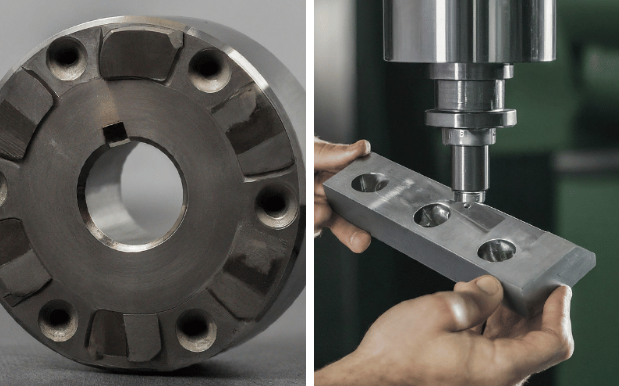
Tungsten carbide dies are revolutionizing modern manufacturing. From the precision-heavy aerospace sector to high-volume automotive production, these tools offer a level of performance that traditional steel tooling simply cannot match. In this guide, we explore the core benefits of carbide dies and why they have become indispensable for high-quality, high-efficiency production. What is a Carbide Die? A carbide die is a precision-engineered tool used to shape, cut, or form materials under intense pressure. Unlike standard tool steel, these dies are crafted from tungsten carbide—a compound created through powder metallurgy. Common Types of Carbide Dies Die Type Primary Function Common Use Case Drawing Dies Reducing the diameter of wire or rods. Copper wiring, musical strings. Stamping Dies Cutting/shaping sheet metal into forms. Automotive body panels, brackets. Extrusion Dies Forcing material through an orifice. Plastic tubing, aluminum frames. Top 5 Advantages of Carbide Dies Why are manufacturers switching from steel to carbide? The shift is driven by five key performance factors: 1. Exceptional Wear Resistance Carbide’s primary “superpower” is its hardness. It resists galling and erosion even under extreme friction. This translates to a significantly longer lifespan—often outlasting steel dies by a ratio of 10:1 or higher. 2. Corrosion & Chemical Stability Does carbide rust? Generally, no. Carbide dies are highly resistant to oxidation and chemical degradation. This makes them ideal for manufacturing environments involving lubricants, coolants, or harsh synthetic materials. 3. Precision and Tight Tolerances For industries where a micron matters, carbide is the gold standard. Its high Young’s Modulus (stiffness) ensures the die does not deform under pressure, allowing for intricate shapes and consistent accuracy across millions of cycles. 4. Maximized Productivity Because carbide dies require fewer “tool changes” and less frequent polishing, your machines stay running longer. Reduced downtime equals higher throughput and lower labor costs. 5. Long-Term Cost-Effectiveness While the initial investment for a tungsten carbide die is higher than steel, the Total Cost of Ownership (TCO) is much lower. When you factor in the extended tool life and reduced maintenance, the ROI is undeniable. Key Industrial Applications The versatility of carbide dies makes them essential across various high-stakes sectors: How to Select the Right Carbide Die Choosing the wrong grade can lead to premature cracking or “chipping.” Consider these four factors: Pro Tip: Always ask your supplier about the “grain size” of the carbide. Sub-micron grains often provide a better balance of hardness and strength for high-precision stamping. Future-Proof Your Manufacturing Carbide dies are a strategic investment in quality and speed. By selecting the right grade and partnering with an experienced supplier like us, you can optimize your production line, minimize waste, and stay ahead of the competition. Ready to upgrade your tooling performance? Selecting a tooling partner is as critical as selecting the material itself. We combine decades of technical expertise with a commitment to precision that sets us apart in the industrial market. Contact us today to discuss your specific application and get a custom quote on high-performance carbide dies.
What is Carbide?
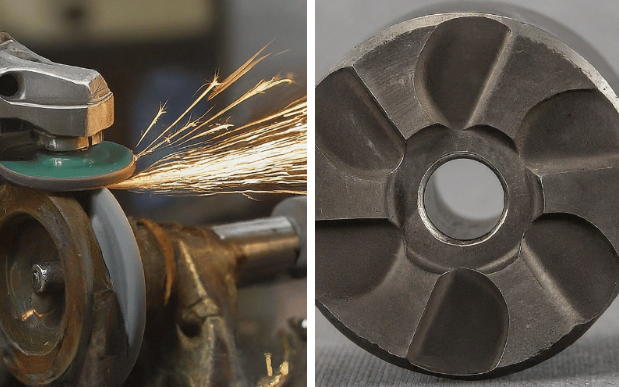
Few materials rival the strength and resilience of carbide in the demanding world of industrial manufacturing. This extraordinary compound, formed from carbon and a metal, boasts remarkable hardness and wear resistance, making it indispensable across various sectors. In particular, the role of carbide dies in metal-forming processes is crucial. These specialized tools, crafted from carbide’s robust structure, empower manufacturers to create intricate shapes and maintain tight tolerances. Let’s explore the fascinating world of carbide and uncover its impact on modern industry. Types of Carbide Carbide’s versatility lies in its ability to combine with different elements, creating materials with diverse properties. Let’s look into some of the prevalent carbide types and their respective characteristics: Tungsten Carbide The most widely used carbide in cutting tools, tungsten carbide, combines exceptional wear resistance and toughness. Its strength and ability to withstand high temperatures make it suitable for various cutting tools, from drills and end mills to inserts. Titanium Carbide Renowned for its toughness, titanium carbide exhibits high wear and thermal shock resistance. These characteristics make it an ideal choice for cutting tools used on abrasive materials like cast iron and stainless steel. Tantalum Carbide A rare yet highly valuable carbide, tantalum carbide stands out due to its exceptional hardness and wear resistance. Its ability to handle high temperatures makes it perfect for cutting tools with demanding materials such as titanium and nickel alloys. Chromium Carbide This tough carbide boasts high resistance to both wear and corrosion. Chromium carbide is common in cutting tools that encounter abrasive and corrosive materials like steel and cast iron. Vanadium Carbide Known for its toughness and wear resistance, vanadium carbide, similar to tantalum carbide, is used in cutting tools operating at high temperatures. It excels at machining materials like titanium and nickel alloys. Silicon Carbide Characterized by extreme hardness and brittleness, silicon carbide also exhibits high wear resistance and thermal conductivity. Its unique properties make it suitable for cutting tools with non-ferrous materials like aluminum and copper alloys. Each type of carbide possesses distinct properties, making them suitable for specific applications. Understanding these differences allows for informed decisions when selecting the optimal carbide for any given task. Next, we’ll explore the numerous ways carbide enhances various industrial processes. Applications of Carbide Carbide’s impressive properties translate into a wide array of industrial applications, making it a cornerstone of modern manufacturing: Cutting and Shaping From drills, end mills, and saw blades to intricate carbide dies and draw dies used in metal forming, carbide’s hardness and wear resistance enables precise cutting and shaping of various materials. Wear Resistance Components subject to constant friction, such as bearings, seals, and valves, benefit from carbide’s durability, reducing maintenance and replacement costs. Precision Carbide Grinding Carbide grinders, equipped with specialized grinding wheels, harness carbide’s hardness to achieve exceptional precision in grinding applications, making them indispensable in industries demanding high accuracy. Benefits of Carbide Carbide’s exceptional properties have made it a staple in many industries. Here are some of its many benefits: Key Takeaways Carbide’s exceptional hardness, wear resistance, and versatility make it indispensable in modern manufacturing. From cutting tools to carbide and draw dies, it drives precision and efficiency, shaping industries and fueling innovation. Ready to harness the power of carbide for your specific needs? Raven Carbide is here to guide you. Contact us to discover how carbide dies can help boost your operations and unlock new possibilities today!
Carbide Tooling Essentials: What You Need to Know
In manufacturing, achieving precision and efficiency is essential. That’s where carbide tooling steps in. Known for its exceptional durability, carbide tooling plays a crucial role across numerous industries. Its ability to withstand high temperatures and pressure makes it the go-to choice for demanding applications. Let’s examine carbide tooling in more detail, explore its different types, and consider how it can help boost your manufacturing operations. Different Types of Carbide Tooling Carbide tooling isn’t a one-size-fits-all solution. It comes in various forms, each designed for specific tasks. Some of the most common types include: Carbide Punches These tools are masters of precision. They create clean holes or shapes in sheet metal and other materials. The strength and accuracy of carbide punches make them indispensable in industries like automotive and aerospace. Carbide Bushings These components guide and support moving parts within machinery. Carbide bushings extend machine life and ensure smoother operations by reducing friction and wear. Cold-Forming Dies Cold-forming harnesses intense pressure to mold metal parts, delivering several advantages. Cold-formed parts exhibit superior strength and dimensional accuracy due to the absence of heat-induced distortion. The cold-forming process also often produces a smooth surface finish, reducing the need for secondary machining operations. Carbide Ammunition Dies Ammunition dies are the specialized tools responsible for shaping and sizing various components, from cartridge cases to bullet jackets in ammunition manufacturing. Their meticulous design ensures that each piece meets exacting specifications, resulting in reliable and consistent ammunition. Custom Carbide Tooling When standard solutions fall short, custom carbide tooling provides the answer. These tools are crafted to meet unique manufacturing needs, boosting efficiency and optimizing production processes. The Importance of Quality Carbide Tooling Investing in quality carbide tooling is more than an expense; it’s a strategic decision. High-quality carbide tools have a direct, positive impact on your bottom line. They boost productivity by minimizing downtime and reducing scrap rates. Their superior performance leads to improved product quality, giving you a competitive edge. Keeping Carbide Tools Sharp While incredibly durable, carbide tools eventually lose their sharpness. This is where carbide grinding becomes essential. Specialized grinding wheels are used to reshape and sharpen these tools, restoring their cutting edge. Employing proper grinding techniques is crucial for maximizing tool life and performance. Maintaining sharp tools ensures optimal cutting efficiency, reduces wear and tear on machinery, and ultimately leads to the production of high-quality finished products. How to Choose the Right Carbide Tooling Choosing the right carbide tooling isn’t a guessing game. It requires careful consideration of several factors. Let’s break it down: Material Matters The material you’re working with plays a significant role. Different carbide grades and coatings excel at cutting specific materials. Consider whether you’re machining steel, aluminum, or other materials. Cutting Conditions The cutting speed and feed rate influence your tool choice. Some carbide grades are better suited for high-speed machining, while others perform well under heavy loads. Desired Finish Another factor is the surface finish you aim to achieve. Specific carbide geometries and coatings can produce smoother or more textured finishes. Application Specifics Consider the specific application and tooling requirements. Are you drilling, milling, or turning? Each operation may demand a different type of carbide tool. Consider these factors to select the ideal carbide tooling for your needs, maximizing efficiency and achieving superior results. Wrapping Up Carbide tooling is a catalyst for manufacturing success. From precision punches to custom-crafted solutions, carbide tools deliver the performance and durability needed to meet today’s demanding production requirements. Invest in quality carbide tooling from Raven Carbide and prioritize proper maintenance to optimize your operations, enhance product quality, and gain a competitive advantage. Ready to experience the difference carbide tooling can make? Reach out to us today. Let’s discuss your unique challenges and explore how our solutions can revolutionize your manufacturing processes.
The Backbone of Modern Manufacturing
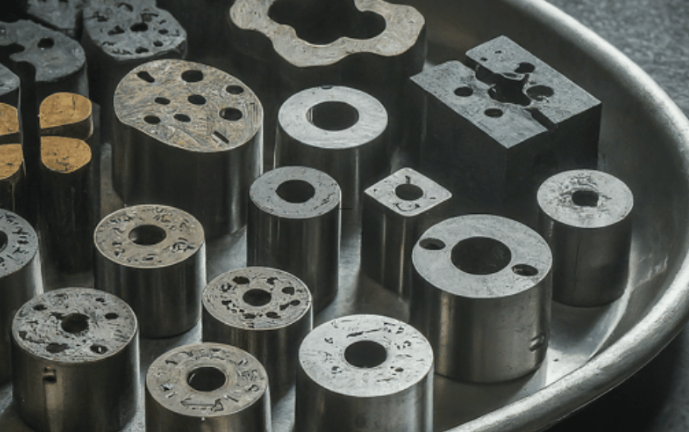
Ever wondered how manufacturers crank out millions of products with incredible precision? Or how do reloaders get that perfect ammo cartridge every time? The secret lies in a small but mighty tool: carbide dies. Carbide dies have become undeniably important in modern manufacturing. They quietly shape everything from the tiniest screw to massive aerospace components. They’re tougher than nails, outlasting traditional steel dies and keeping production lines humming. But what makes carbide dies so special? And how are they used across different industries? Stick around as we learn more about these tiny workhorses and why they’re rightfully called the backbone of modern manufacturing. Why Manufacturers Choose Carbide So, what sets carbide apart from other die materials? It all boils down to durability and precision. Carbide dies are tough and incredibly resistant to wear and tear. These characteristics translate to less downtime for maintenance and replacement, keeping production lines buzzing and saving manufacturers a pretty penny. In processes like cold heading, the wear resistance of carbide dies ensures consistent results, even after millions of cycles. But carbide’s not just about brawn. Its hardness allows for elaborate designs and tight tolerances, ensuring that each part meets exacting specifications. Whether it’s a tiny watch gear or a complex automotive component, carbide dies deliver the precision that modern manufacturing demands. Applications Across Industries Let’s take a closer look at a few key industries where carbide dies make a big difference: Wire Drawing Ever wonder how thin wires are made? Chances are, carbide dies played a role. Wire drawing involves pulling metal through a series of progressively smaller dies, and carbide’s extreme hardness and wear resistance are crucial for maintaining consistent diameter and surface finish. Ammunition Reloading Carbide ammunition dies are a game-changer for reloaders who demand precision and consistency. These dies ensure smooth resizing and bullet seating, producing reliable ammunition with every pull of the press handle. And unlike their steel counterparts, carbide dies resist wear and tear, saving reloaders money in the long run. Cold Heading Cold heading is a process that forms metal parts by squeezing them into shape, and carbide dies are essential to the process. They withstand the immense pressure and friction involved, producing millions of parts without breaking a sweat. Carbide bushings further enhance this process by providing a wear-resistant barrier between the dies and the workpiece, reducing maintenance needs and maximizing production efficiency. Why Carbide Dies are a Smart Long-Term Choice While the initial investment in carbide dies might seem higher than steel alternatives, the long-term benefits far outweigh the upfront costs. Carbide’s exceptional durability translates to fewer replacements, reducing maintenance expenses and minimizing downtime. This is especially true for high-wear applications like cold heading dies, where carbide’s longevity ensures consistent production and lower per-part costs over time. In addition, carbide dies maintain their dimensional accuracy throughout their lifespan, producing consistent, high-quality parts. This trait translates to less scrap and rework, further boosting your bottom line. In the long run, choosing carbide dies is not just an investment in tooling but an investment in the overall efficiency and profitability of your manufacturing operation. Wrapping Up Carbide dies have become the backbone of countless industries in modern manufacturing, where precision, efficiency, and cost-effectiveness are essential. From enhancing productivity to ensuring consistent quality, they significantly shape the products we rely on daily. If your company wants to boost its production capabilities, we invite you to partner with us. Our expertise in designing and manufacturing high-quality, custom carbide dies ensures that your specific needs are met with precision and excellence. Visit our website to learn how our carbide solutions can help improve your manufacturing operation today!