
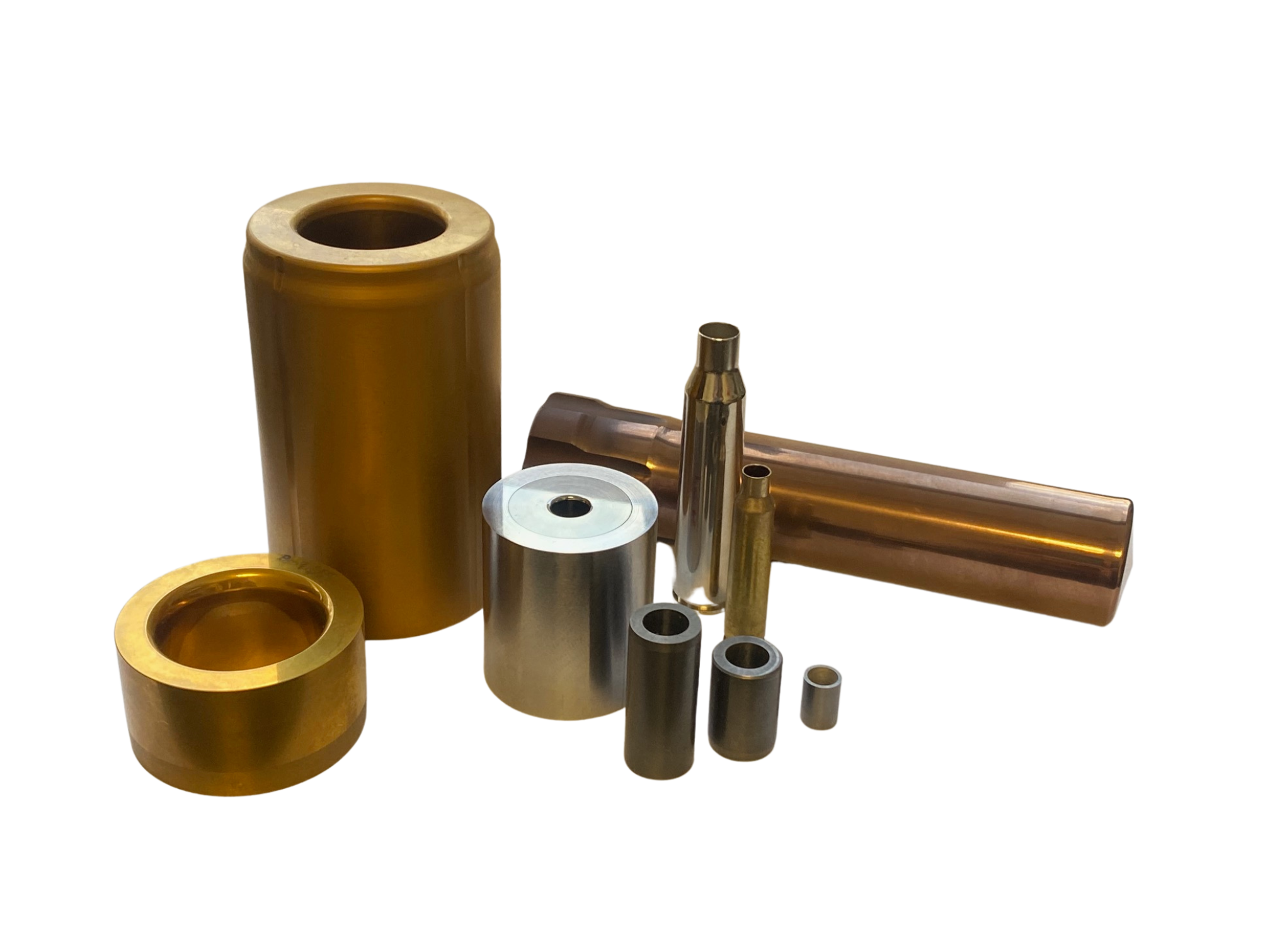

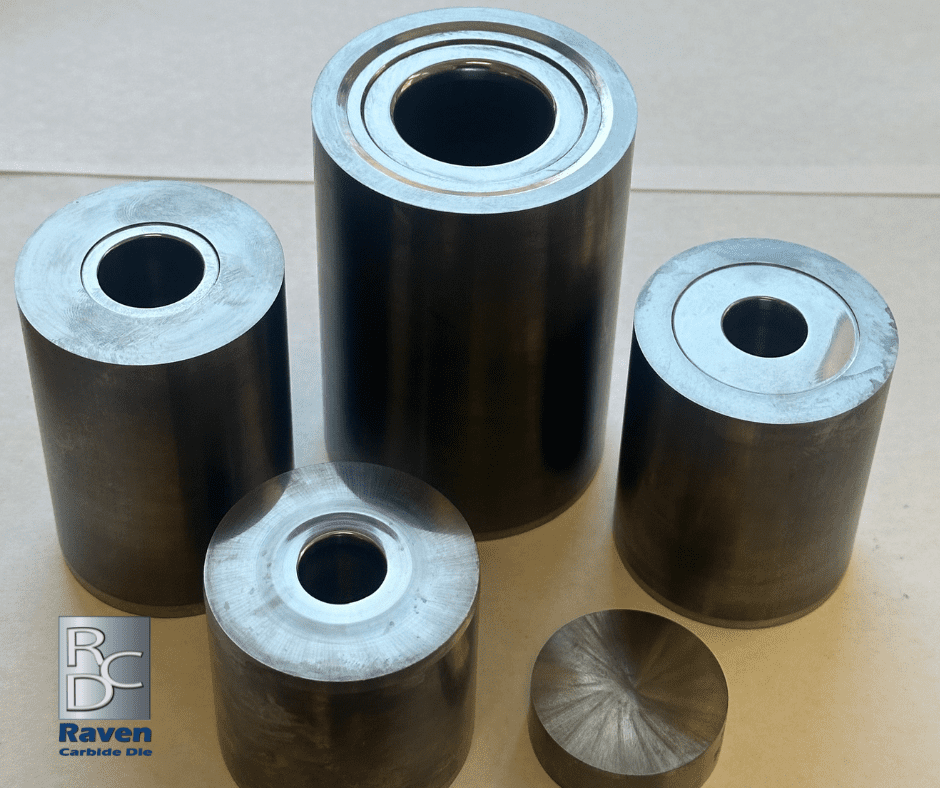
We design and manufacture precision carbide dies built to perform under extreme conditions. Even the highest‑quality tooling, however, benefits from proactive care. Below, we outline proven best practices to help you maintain your carbide dies and extend their service life, maximizing uptime, consistency, and return on investment.
Why Proper Carbide Die Maintenance Matters
Carbide dies operate under intense pressure, friction, and repeated impact. Over time, minor issues such as improper lubrication or misalignment can accelerate wear, cause chipping, or lead to catastrophic failure.
A structured maintenance program helps:
- Extend the usable life of carbide dies
- Maintain dimensional accuracy and product quality
- Reduce unplanned downtime and emergency replacements
- Lower long‑term tooling costs
1. Start With Proper Installation and Setup
Ensure Correct Alignment
Misalignment between the die, punch, and press is one of the most common causes of premature carbide die failure. Even slight off‑center loading can create stress that lead to cracking or edge chipping.
Best practices include:
- Verifying press alignment before installation
- Using precision fixturing and holders
- Avoiding uneven clamping or over‑tightening
We work closely with customers to ensure each die is designed for proper fit and alignment within their specific press and application.
Follow Recommended Tonnage Limits
Exceeding the designed tonnage of carbide dies increases the risk of fracture. Always operate within the load parameters specified for the die and the material being formed.
2. Choose the Correct Lubricant
Different forming applications require different lubrication strategies. The wrong lubricant or insufficient coverage can cause galling, surface scoring, and accelerated wear. If you’re unsure which lubricant is best for your application, we can help evaluate your process and recommend compatible options.
Maintain Clean Lubrication Systems
Contaminated lubricants introduce abrasive particles that can damage die surfaces. Regularly inspect filters, lines, and reservoirs to ensure clean, consistent lubricant delivery.
3. Keep Carbide Dies Clean and Free of Debris
Metal fines, slugs, and residual material can accumulate during production and act like abrasives against carbide surfaces.
Routine cleaning should include:
- Removing debris during scheduled downtime
- Avoiding aggressive scraping tools that can damage surfaces
- Using approved cleaning agents that do not chemically attack carbide or binders
4. Monitor Wear Patterns and Performance Trends
One of the most effective ways to extend the life of carbide dies is early detection of wear. Scheduled inspections allow you to identify issues before they become failures. Look for:
- Edge rounding or micro‑chipping
- Surface cracking or polishing
- Changes in part dimensions or finish
Tracking inspection results over time helps establish predictable maintenance intervals.
5. Avoid Thermal Shock and Improper Handling
Although carbide is extremely hard, it can be sensitive to sudden temperature changes and improper handling.
Minimize Temperature Extremes
Rapid heating or cooling can introduce thermal stress. Avoid:
- Sudden exposure to cold liquids on hot dies
- Drastic temperature swings during cleaning or storage
Allow dies to cool gradually whenever possible.
Handle With Care
Carbide dies are tough in operation but brittle when impacted. Dropping a die or striking it against hard surfaces can cause invisible micro‑fractures that later lead to failure.
Always:
- Use padded trays or protective cases
- Handle dies with clean gloves
- Store tooling securely when not in use
6. Schedule Reconditioning Before Failure Occurs
Reconditioning is more cost‑effective than replacement when done at the right time. Waiting until a carbide die fails completely may eliminate the option for repair. We offer expert evaluation to determine whether reconditioning can restore performance and extend tool life.
Partner With a Trusted Carbide Die Manufacturer
Not all carbide dies are created equal. Design, material selection, and manufacturing precision all influence how long a die will last—and how well it responds to maintenance and repair. A strong partnership with your tooling supplier ensures you get more value from every die in service.
Protecting Your Investment in Carbide Dies
Maintaining and extending the life of carbide dies requires a combination of proper setup, consistent lubrication, careful handling, and proactive inspection. By investing time in preventive maintenance and working with an experienced manufacturer, you can significantly reduce downtime, control costs, and improve overall production efficiency.
If you have questions about maintaining your existing tooling—or are looking to upgrade your carbide dies for improved performance—we can help you with precision solutions built to last. Contact us today to get started!