
In high-precision manufacturing, a single tool failure can trigger a catastrophic chain reaction: unplanned downtime, scrapped workpieces, and compromised die sets. To mitigate these risks, industry leaders have turned to carbide punches as the gold standard for high-volume stamping and forming.
But are they truly more durable than traditional tool steels? This guide explores the metallurgy, applications, and economic value of tungsten carbide in punching operations.
What Makes Carbide Punches Unique?
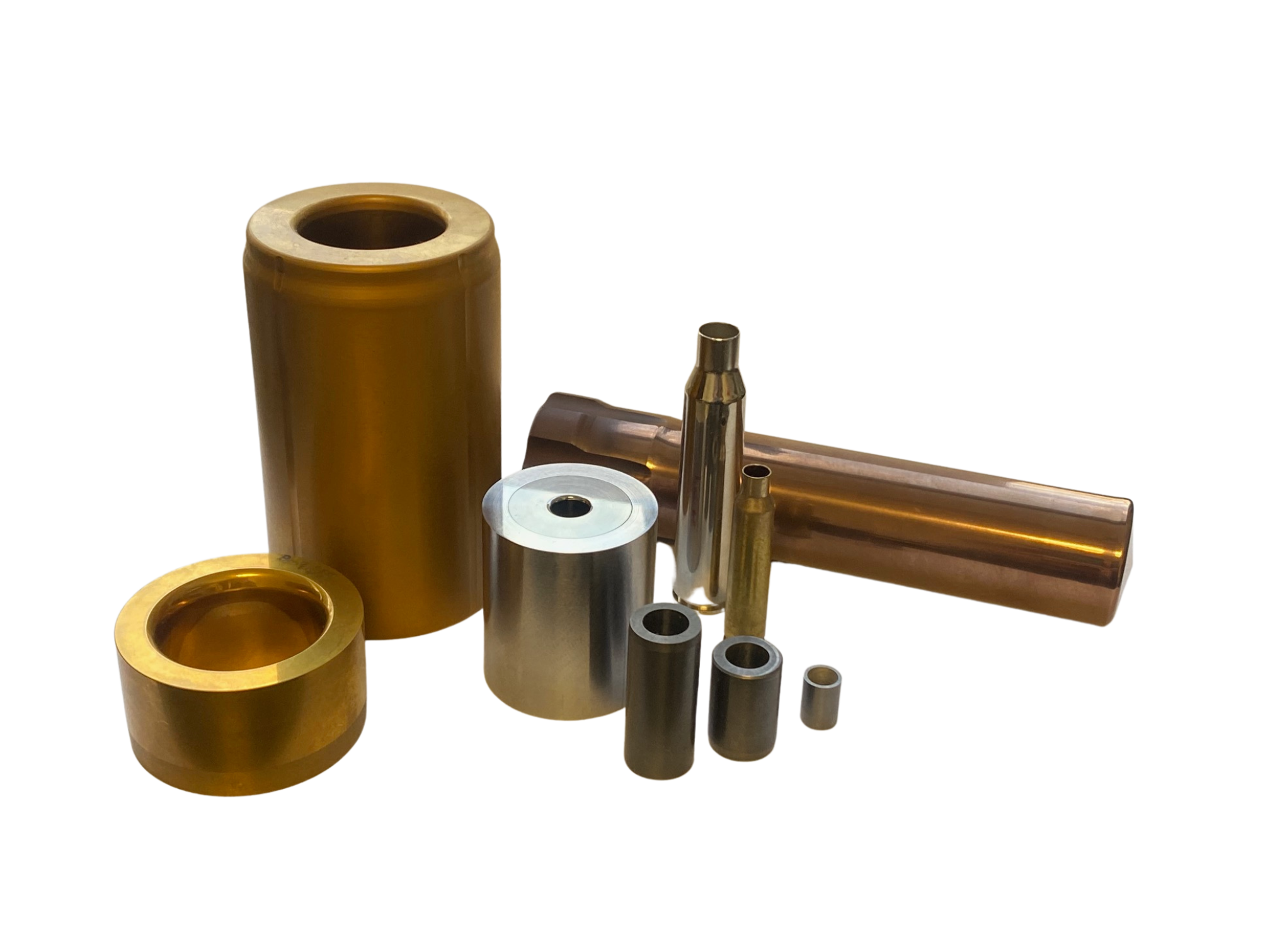
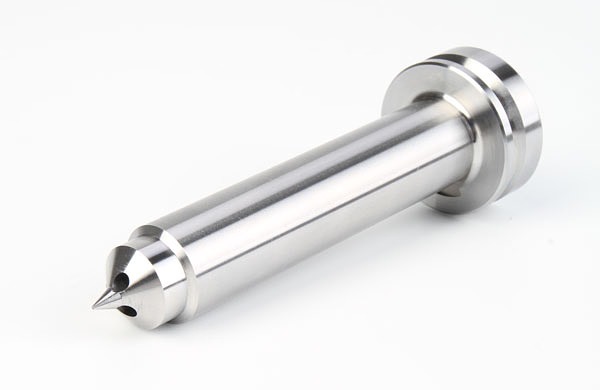
A carbide punch is a precision component manufactured from cemented tungsten carbide. Unlike standard tool steel (like D2 or M2), which relies on heat treatment for hardness, carbide is a metal-matrix composite.
It consists of hard tungsten carbide particles “cemented” together by a metallic binder—typically Cobalt. This results in a tool with a Young’s Modulus nearly triple that of steel, providing unparalleled rigidity.
The Durability Debate: Carbide vs. Tool Steel
When assessing the durability of carbide punches, we must look at three specific mechanical properties:
1. Compressive Strength
Carbide possesses incredible compressive strength, allowing it to withstand the massive tonnage required to punch through high-strength, low-alloy (HSLA) steels without deforming.
2. Galling and Wear Resistance
“Galling” occurs when material from the workpiece friction-welds itself to the punch. Carbide’s low coefficient of friction and high hardness (typically 78–92 HRA) make it highly resistant to this type of abrasive wear.
3. Thermal Stability
Unlike tool steels that may “draw” (soften) when friction generates heat, carbide maintains its edge at temperatures that would ruin a standard punch.
| Property | Tungsten Carbide | D2 Tool Steel |
| Hardness (HRA/HRC) | 88 – 92 HRA | 60 – 62 HRC |
| Compressive Strength | 500k – 800k psi | 300k – 350k psi |
| Elastic Modulus | ~90,000 ksi | ~30,000 ksi |
Key Benefits for High-Volume Production
- Extended “Cost-Per-Hit” Value: While the initial price of a carbide punch is higher, it can often produce 10x to 20x more hits than steel before requiring a regrind.
- Consistent Part Geometry: Because carbide resists deflection, the “slug” or hole geometry remains consistent throughout the entire production run, ensuring tighter tolerances.
- Improved Surface Finish: The mirror-like finish achievable on a carbide punch reduces friction, resulting in cleaner shear edges and fewer burrs on the final part.
How to Maximize the Lifespan of Your Carbide Punch
While carbide is exceptionally hard, it is also more brittle than steel. Its durability is high, but its “toughness” against side-loading is lower. To ensure your punches last:
- Precision Alignment: Ensure your die set has perfect alignment. Even a slight “wink” or misalignment can cause a carbide punch to shatter rather than bend.
- Advanced Coatings: Utilize PVD coatings like TiAlN (Titanium Aluminum Nitride) or DLC (Diamond-Like Carbon) to further reduce friction and increase surface hardness.
- Damping and Support: Use high-quality punch holders to minimize vibration and shock, which are the leading causes of micro-chipping in carbide.
Maximizing ROI with Precision Tooling
The durability of carbide punches isn’t just a technical spec—it’s a business strategy. By reducing the frequency of tool changes, you maximize “green light time” on your presses and lower your overall cost-per-part.
Are you ready to optimize your stamping operation? We specialize in custom-engineered carbide punches designed for your most demanding tolerances. From material selection to precision grinding, we ensure your tools are built for the long haul.
Contact us today for a custom quote and discover the Raven difference in durability.